
Action
Adventure
Animation
Comedy
Crime
Documentary
Drama
Family
Fantasy
History
Horror
Music
Mystery
Romance
Science Fiction
Thriller
War
Western
Found 19 movies, 3 TV shows, and 0 people
Can't find what you're looking for?

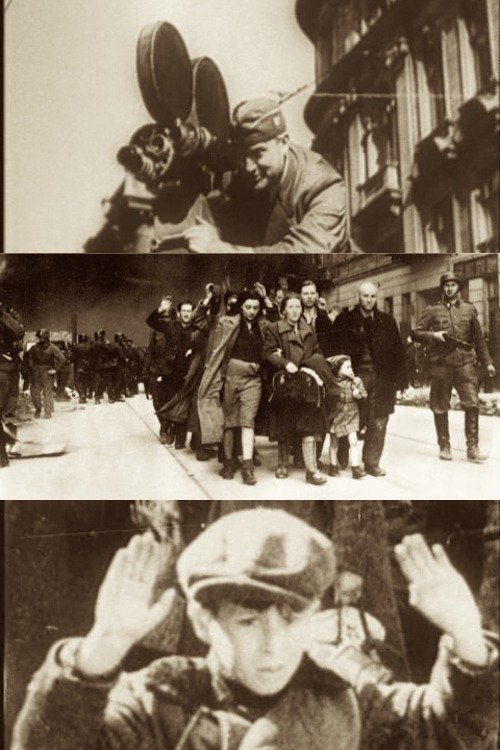
After a brief sequence of Nazi rallies (including shots from Triumph of the Will), German footage of the invasion of Poland, and Julien Bryan footage of the siege of Warsaw in September 1939, this film uses still photographs (some from Himmler's personal collection) and much of the 1942 German propaganda footage shot in the Warsaw Ghetto. It details the daily struggle to survive the Warsaw Ghetto, including scenes of poor sanitation, smuggling food from outside, beggars, Jewish Police and the ghetto prison, deportations, collaboration, and resistance. It uses film footage of flamethrowers and German artillery to represent the putting down of the Ghetto uprising under General Stroop.
No description available for this movie.

No description available for this movie.
In this documentary Marek Edelman, a member of the Jewish Labor Bund and leading participant in the Warsaw Ghetto Uprising, gives a daily account of events from April 19 through May 10, 1942. Edelman’s amazingly thorough, vivid and distinct memories are augmented by Dylewska’s mesmerizing, poetic use of slow motion and freeze-frame techniques applied to documentary material including Nazi footage of Jews about to be deported to Treblinka.

A little boy in the middle of the brutal world of the Holocaust. Based on an actual event.
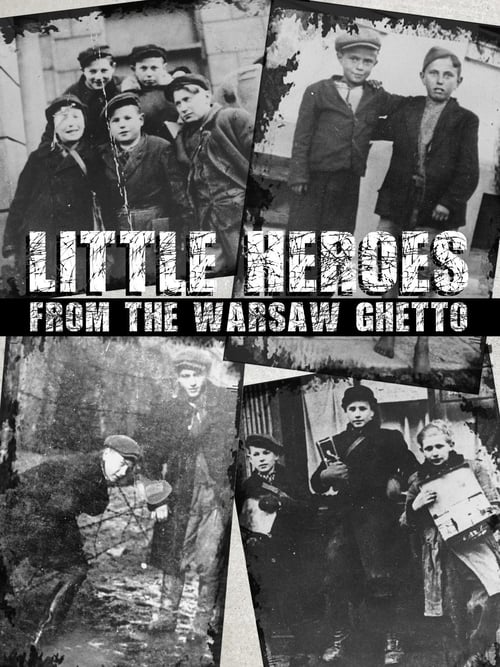
From 1942 until the elimination of the Warsaw ghetto in May 1943, children aged 6 to 15 left the ghetto and went into the Aryan part of the Nazi-occupied town. They survived in the city until 1945 by singing and selling cigarettes and newspapers to the Germans. They slept in ruined buildings, cemeteries, and stairwells. Five people tell the poignant story of the children during the war.
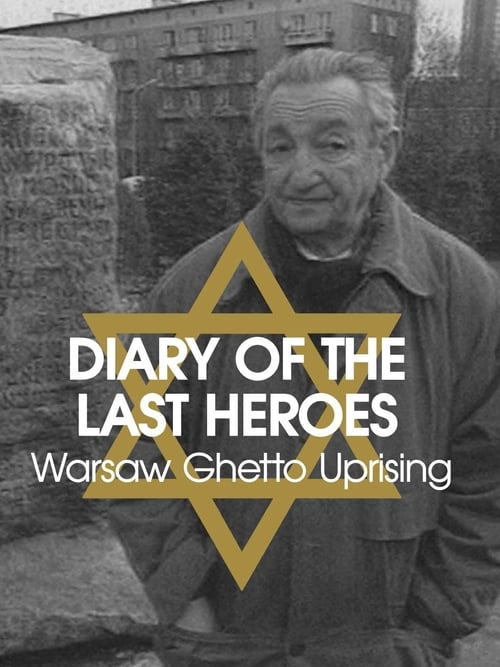
In this historical documentary, the 5 surviving members of the Jewish high command tell in details the gripping story of the Warsaw Ghetto revolt, a unique event in Jewish as well as non-Jewish history. For the first time the Jews took up arms against the Nazies. In 1943 the remaining 50,000 Jews in the Warsaw ghetto realised that there was no hope that any of them would survive the holocaust.
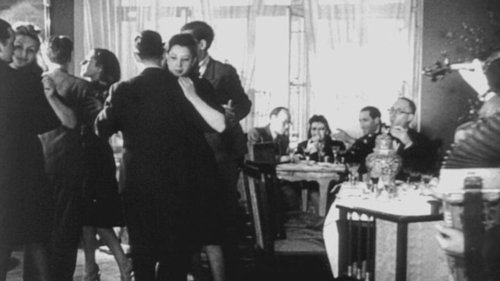
Yael Hersonski's powerful documentary achieves a remarkable feat through its penetrating look at another film-the now-infamous Nazi-produced film about the Warsaw Ghetto. Discovered after the war, the unfinished work, with no soundtrack, quickly became a resource for historians seeking an authentic record, despite its elaborate propagandistic construction. The later discovery of a long-missing reel complicated earlier readings, showing the manipulations of camera crews in these "everyday" scenes. Well-heeled Jews attending elegant dinners and theatricals (while callously stepping over the dead bodies of compatriots) now appeared as unwilling, but complicit, actors, alternately fearful and in denial of their looming fate.

Irena Sendler is a Catholic social worker who has sympathized with the Jews since her childhood, when her physician father died of typhus contracted while treating poor Jewish patients. When she initially proposes saving Jewish children from the Warsaw Ghetto, her idea is met with skepticism by fellow workers, her parish priest, and even her own mother Janina.
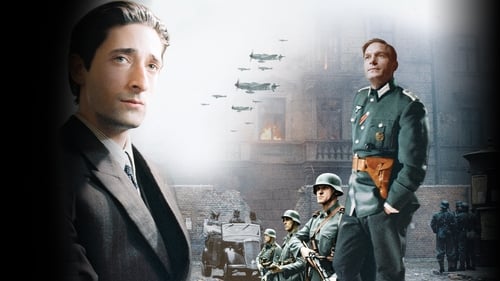
The true story of pianist Władysław Szpilman's experiences in Warsaw during the Nazi occupation. When the Jews of the city find themselves forced into a ghetto, Szpilman finds work playing in a café; and when his family is deported in 1942, he stays behind, works for a while as a laborer, and eventually goes into hiding in the ruins of the war-torn city.
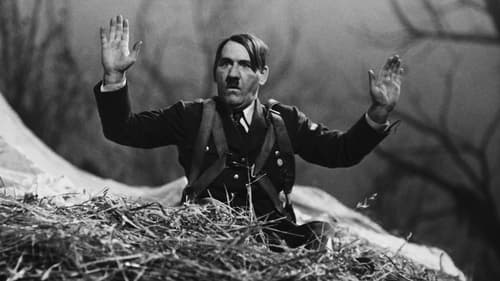
During the Nazi occupation of Poland, an acting troupe becomes embroiled in a Polish soldier's efforts to track down a German spy.
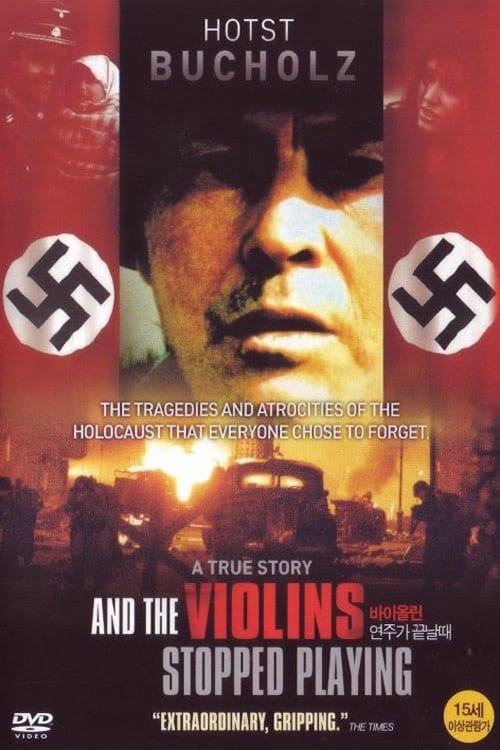
This is the true story about a group of Romani's (gypsy) in occupied Poland during World War II as they confront the atrocities and tragedies of a forgotten holocaust.
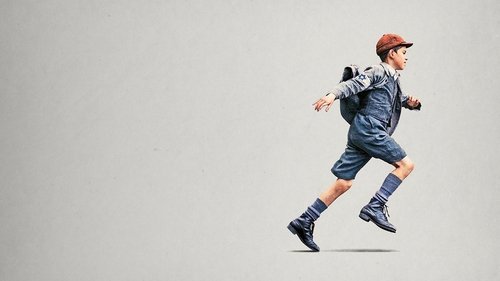
A true story of Jurek, an eight-year-old boy, who escapes from the Warsaw ghetto, then manages to survive in the woods and working as a farmhand, disguising himself as a Polish orphan.
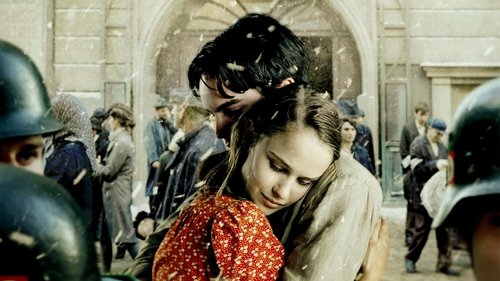
January 1942, in Nazi-occupied Poland during World War II. Thousands of Jews have been confined to the Warsaw ghetto for more than a year. Outside, life goes on; inside, they struggle to survive another day. Still, on a cold winter night, a group of Jewish actors manage to stage a lively musical comedy.

No description available for this movie.
No description available for this movie.
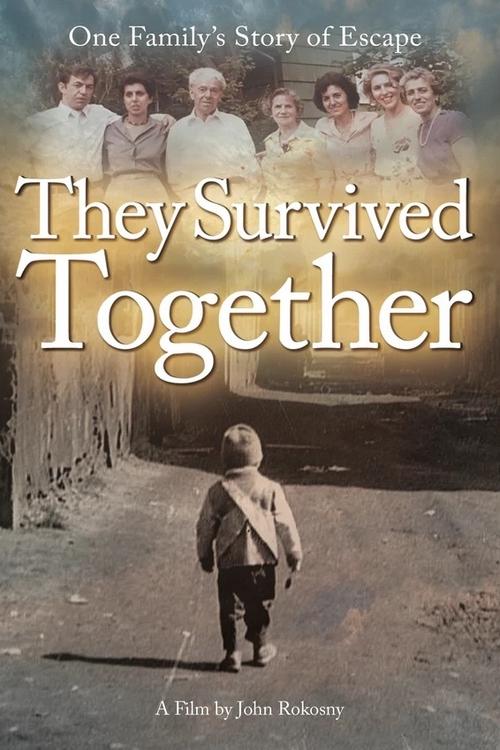
The Neiger family was living a peaceful life in the Jewish community in Krakow when the arrival of World War II changed their lives forever. When Nazi soldiers forced the family from their home into the harsh life of the Ghetto, they made a vow to escape as a family. But when circumstances forced the family to separate from older brother Ben, their will to survive was put to the test. They Survived Together" is the incredible, true story of one family as they desperately tried to stay alive... and together as a family with four small children, attempted to escape certain death at the hands of the Nazis. They are believed to be one of the only families to escape and survive as a family.
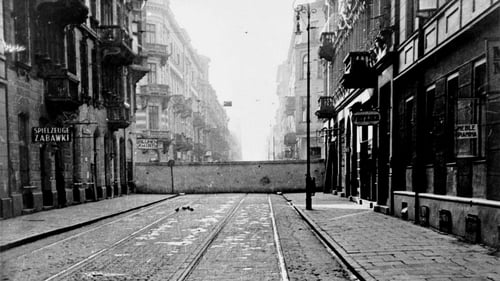
The history of the Warsaw Ghetto (1940-43) as seen from both sides of the wall, its legacy and its memory: new light on a tragic era of division, destruction and mass murder thanks to the testimony of survivors and the discovery of a ten-minute film shot by Polish amateur filmmaker Alfons Ziółkowski in 1941.
A dream-like recreation of a moment in the Warsaw Ghetto based on the famous photograph of a frightened child with raised hands.