
Action
Adventure
Animation
Comedy
Crime
Documentary
Drama
Family
Fantasy
History
Horror
Music
Mystery
Romance
Science Fiction
Thriller
War
Western
Found 18 movies, 3 TV shows, and 0 people
Can't find what you're looking for?
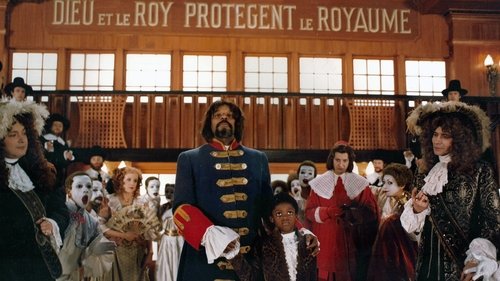
Aboard a giant slave ship in an abandoned Citroën factory, the history of the West Indies is traced through several centuries of French oppression. The ship becomes a stage for the people to tell stories via song and dance—from their enslavement to their displacement in Metropolitan France.

Taken during the filming of "West Indies," this film shows the making of the monumental set in the middle of the former Citroën factory, as well as backstage activity and rehearsals on the set.
A visit to Nassau in the Bahamas from Andre de la Varre's "The Screen Traveler" series.

About the war effort in the West Indies.
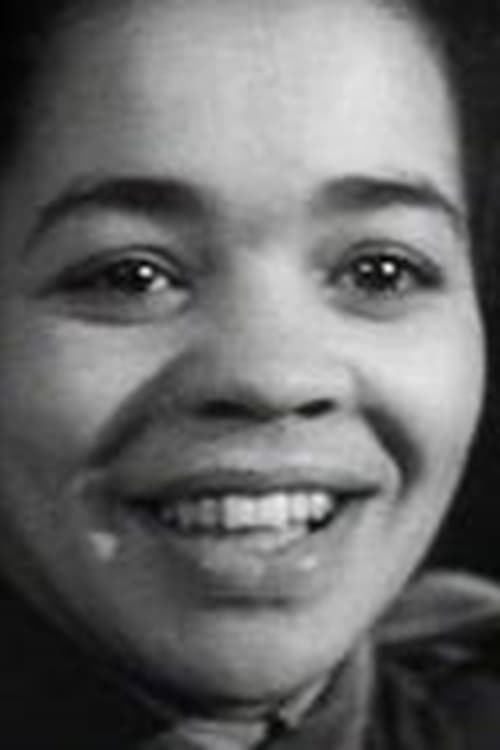
Film records and illustrates a BBC broadcast by West Indians in Britain to explain to the British people the West Indians' contribution to the war effort
Based on J. M. Synge's Playboy of the Western World. Peggy Ford runs her father's rum bar in Mayaro, a quiet fishing village in Trinidad. Nothing much happens in Mayaro until a handsome young stranger appears and insists that he has just murdered his father.
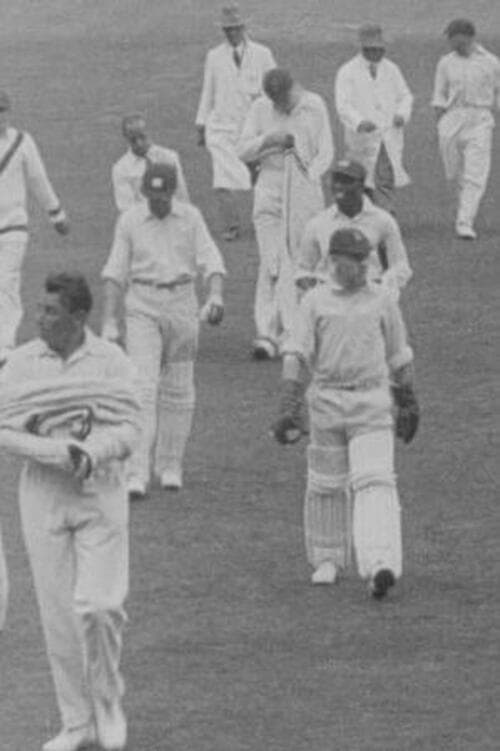
The first West Indies Test cricket team visits England and loses all three matches.
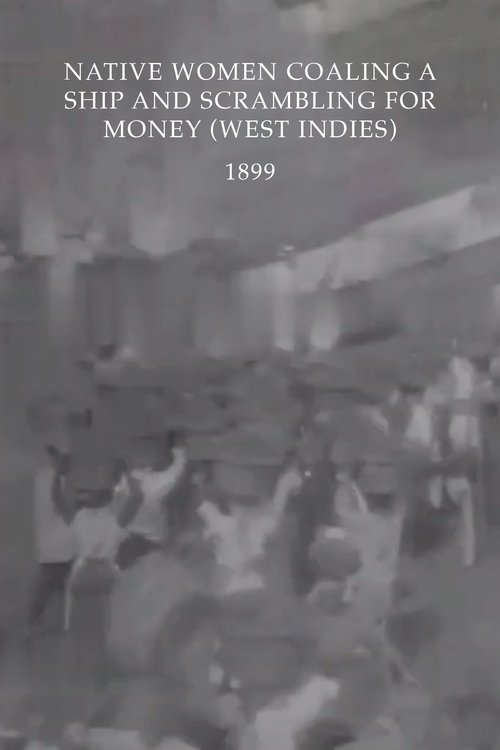
Panoramic view of the coal docks with a ship in the background. Shows tourists throwing money on the dock, and a large crowd of men and women fighting like made for it. Shows between 200 and 300 women coaling a ship. (Taken on the midwinter cruise of the S.S. "Prinzessin Victoria Luise" of the Hamburg-American Line.)
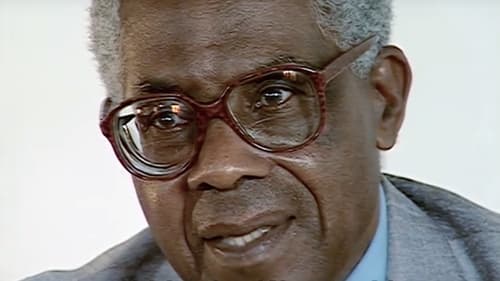
A three-part study that introduces audiences to the celebrated Martinican author Aimé Césaire, who coined the term "négritude" and launched the movement called the "Great Black Cry".

It is the evocation of a life as brief as it is dense. An encounter with a dazzling thought, that of Frantz Fanon, a psychiatrist of West Indian origin, who will reflect on the alienation of black people. It is the evocation of a man of reflection who refuses to close his eyes, of the man of action who devoted himself body and soul to the liberation struggle of the Algerian people and who will become, through his political commitment, his fight, and his writings, one of the figures of the anti-colonialist struggle. Before being killed at the age of 36 by leukemia, on December 6, 1961. His body was buried by Chadli Bendjedid, who later became Algerian president, in Algeria, at the Chouhadas cemetery (cemetery of war martyrs ). With him, three of his works are buried: “Black Skin, White Masks”, “L’An V De La Révolution Algérien” and “The Wretched of the Earth”.
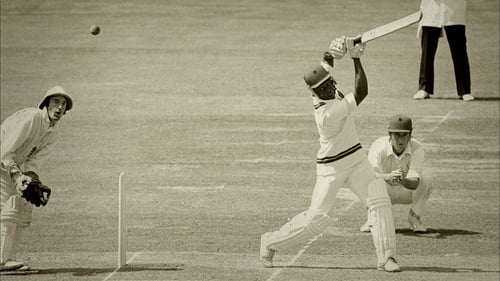
Feature documentary about the great West Indies cricket team of the 1970s and '80s. Fire In Babylon is the breathtaking story of how the West Indies triumphed over its colonial masters through the achievements of one of the most gifted teams in sporting history. In a turbulent era of apartheid in South Africa, race riots in England and civil unrest in the Caribbean, the West Indian cricketers, led by the enigmatic Viv Richards, struck a defiant blow at the forces of white prejudice worldwide. Their undisputed skill, combined with a fearless spirit, allowed them to dominate the genteel game at the highest level, replaying it on their own terms. This is their story, told in their own words.
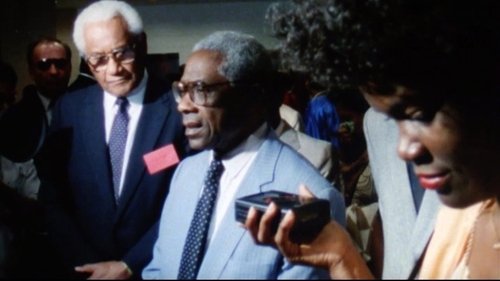
Shortly after his death in 2008, Maldoror made this film about her longtime friend and collaborator, the Négritude poet Aimé Césaire. In this film, she retraces the steps of Césaire’s travels across the globe — particularly back to his hometown in Martinique, where Maldoror interviews his relatives about his life — and her working relationship with Césaire, including fragments of her previous films about him, Un homme, une terre (1976) and Le masque des mots (1987).
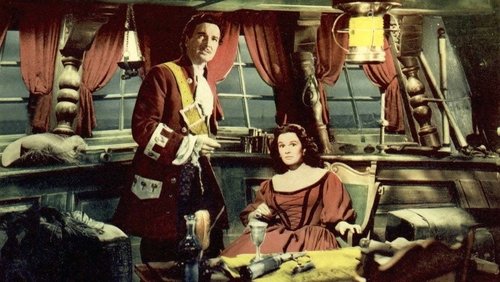
In 1690, years have passed since Captain Blood was pardoned by the Crown for his daring deeds against the Spanish on the Spanish Main, and he is living quietly on his plantation in the West Indies, practicing medicine and planning his marriage to Isabella. But his peaceful existence is shattered when Hilary Evans arrives and arrests him on a piracy charge. Somebody has been raiding the islands, and making it appear it was Captain Blood. In order to prove his innocence, Captain Blood has to sail again under the "Jolly Roger."
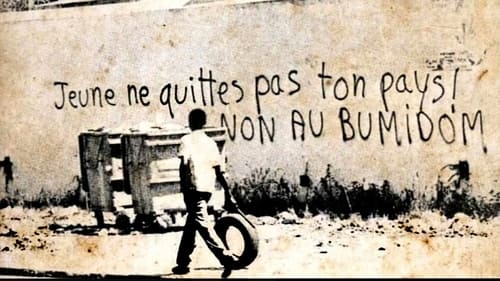
No description available for this movie.
No description available for this movie.
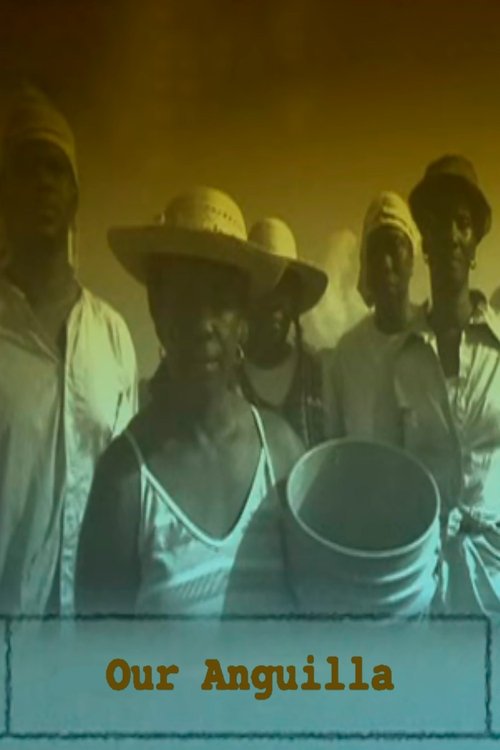
Our Anguilla is a short film about the history of Anguilla (British West Indies). The film was shot on location in Anguilla in the summer of 2008.
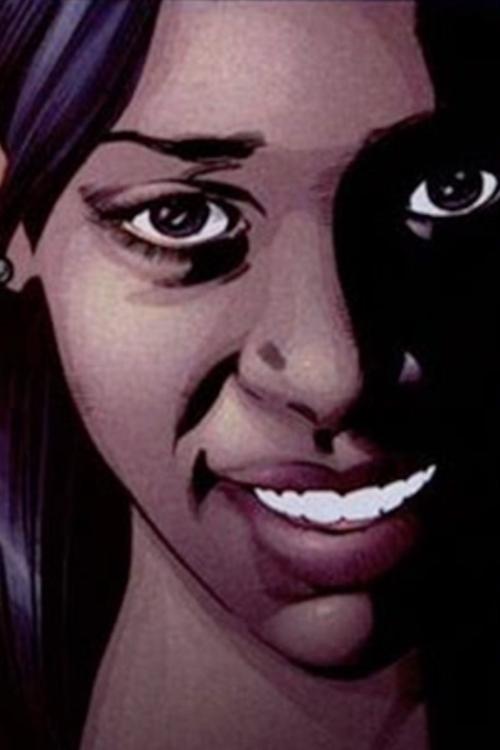
Two lovers romance is impeded by voodoo in the Caribbean. They are drawn into destructive rites, rituals and practice of Obeah. The young woman is the evil spirits focus. The mighty forces are summoned by a dark priestess. "I'm an Obeah man, I'm not a science man, I see things," says the man, who is known by only one name: Judge.
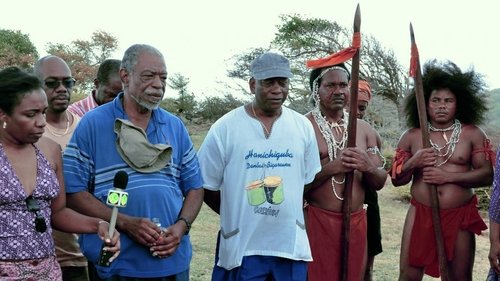
YURUMEIN (Homeland) is a documentary film which recounts the painful past of the Caribs on the island of St. Vincent in the Caribbean, their extermination at the hands of the British 200+ years ago, the decimation of their culture on the island, and their exile to Central America where much of that culture survived, even thrived. YURUMEIN (your -o- main) also explores what few cultural remnants of the Caribs, also known as Garifuna, still exist on St. Vincent and the beginnings of a movement to teach and revitalize Garifuna language, music and dance, and ritual to younger generations of Garifuna/ Caribs on St. Vincent.