
Action
Adventure
Animation
Comedy
Crime
Documentary
Drama
Family
Fantasy
History
Horror
Music
Mystery
Romance
Science Fiction
Thriller
War
Western
Found 21 movies, 2 TV shows, and 0 people
Can't find what you're looking for?

The "shocking" thesis of this film, that women should control their health and regain the knowledge about their bodies that had been withheld by the male-dominated medical industry, became a major focus for the women's movement of America. "Taking Our Bodies Back" explores ten critical areas of the women's health movement, from the revolutionary concept of self-help to the issue of informed surgical consent. The film documents a growing movement in the 1970s of women regaining control of their own bodies. It shows women becoming aware of their right in dealing with the medical industry. The film explores self-help, birth at home, abortion, high school women's support group, breast cancer, research, gynecological exams, drug company attitudes, hysterectomy, and health care for women of color.
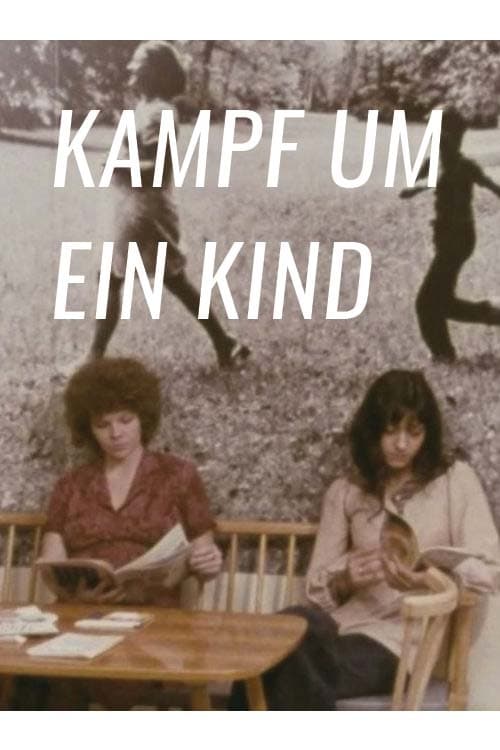
A West Berlin doctor, married with a two-year-old child, leaves her husband to go to Munich to work in the birth clinic of a hospital. Her husband doesn’t know that she’s pregnant with their second child. Will she have to choose between motherhood and her career?
A 1978 short documentary.
No description available for this movie.
Myf Warhurst is on the cusp of a big change: the change. Myf wants to know what's in store. What is menopause, what are the symptoms and what can she do about it?
Jane likes things to be clean. Jane has just turned 40. Jane died sometime last week. She’s cold all the time, her skin is grey, and her appetite is nonexistent. Something is wrong.
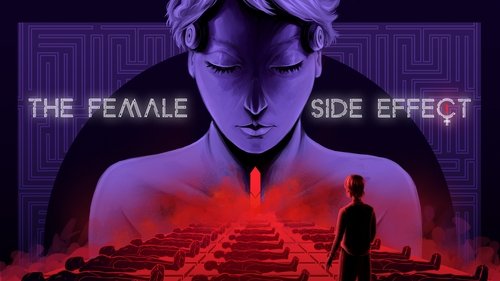
After the death of a patient, Crimera Pharmaceuticals, assigns the task of finding out what happened to Dr. Elena Pizano, a clinical trial analyst. She must do this with the help of the efficient and reliable artificial intelligence entity: KODA. During her findings she will come across data gaps in one of the drugs being studied, uncovering a darker truth in the world of medicine. As the organizations try to hide the information, she must decide how to handle the secrets she's just uncovered.
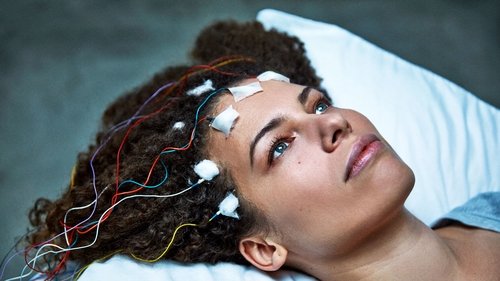
When Harvard PhD student Jennifer Brea is struck down at 28 by a fever that leaves her bedridden, doctors tell her it’s "all in her head." Determined to live, she sets out on a virtual journey to document her story—and four other families' stories—fighting a disease medicine forgot.
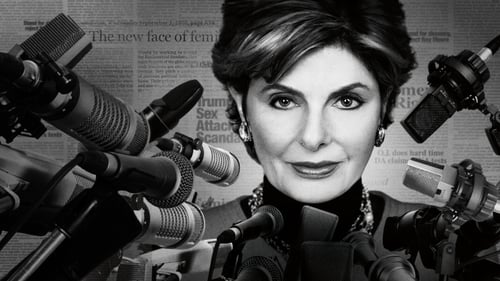
Gloria Allred overcame trauma and personal setbacks to become one of the nation’s most famous women’s rights attorneys. Now the feminist firebrand takes on two of the biggest adversaries of her career, Bill Cosby and Donald Trump, as sexual violence allegations grip the nation and keep her in the spotlight.
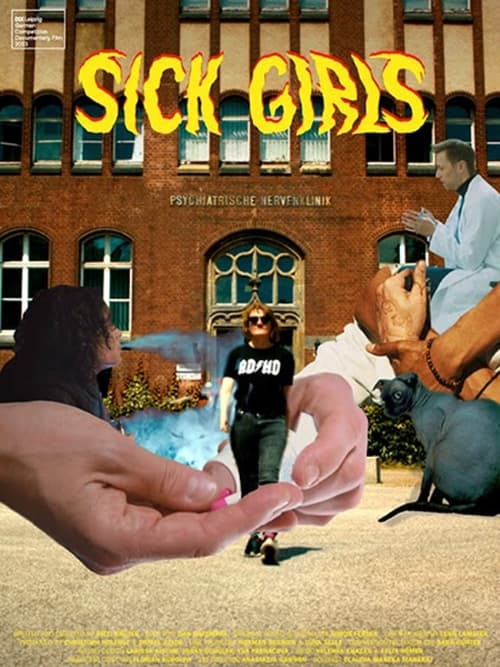
In recent years, the number of diagnoses of attention-deficit hyperactivity disorder has skyrocketed. What are the reasons? Does a society geared towards efficiency use the label ADHS to weed out anyone who does not fit its frames? What are the consequences of the fact that medication treatment has become almost ubiquitous? Could Ritalin and the like have become the doping of the performance society?
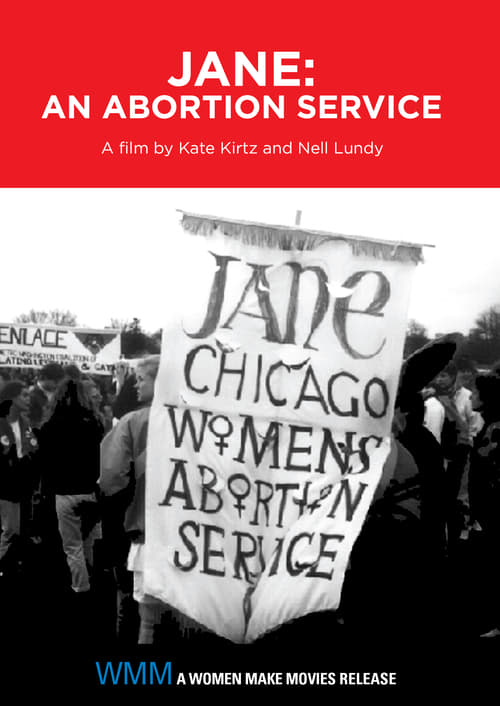
This fascinating political look at a little-known chapter in women's history tells the story of "Jane", the Chicago-based women's health group who performed nearly 12,000 safe illegal abortions between 1969 and 1973 with no formal medical training. As Jane members describe finding feminism and clients describe finding Jane, archival footage and recreations mingle to depict how the repression of the early sixties and social movements of the late sixties influenced this unique group. Both vital knowledge and meditation on the process of empowerment, Jane: An Abortion Service showcases the importance of preserving women's knowledge in the face of revisionist history. JANE: AN ABORTION SERVICE was funded by the Independent Television Service (ITVS) with funds provided by the Corporation for Public Broadcasting.
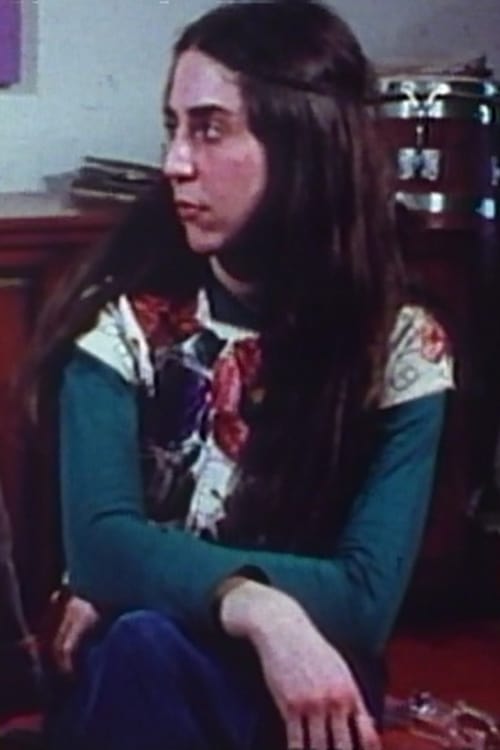
Healthcaring is a short documentary that focuses on the historical and contemporary abuses women have suffered at the hands of mostly male practitioners, and depicts solutions women find to lack of access to comprehensive health care in the 1970s.
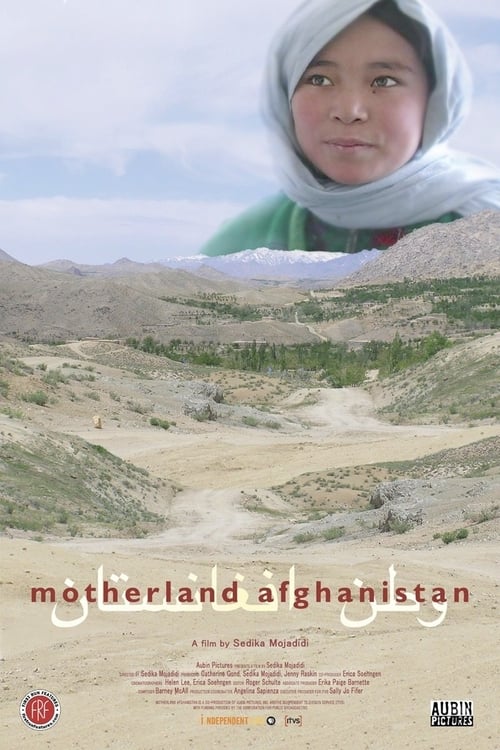
Afghani-American filmmaker Sedika Mojadidi shadows her father, a women's health specialist working to rebuild hospitals in war-torn Afghanistan, in this thought-provoking documentary filmed in the wake of the United States' invasion of the region. In a country where one in seven women dies during childbirth, many women are willing to travel for days to receive adequate care from a trained professional.
A cross-section of women share their experiences with UTI and being failed by primary healthcare.
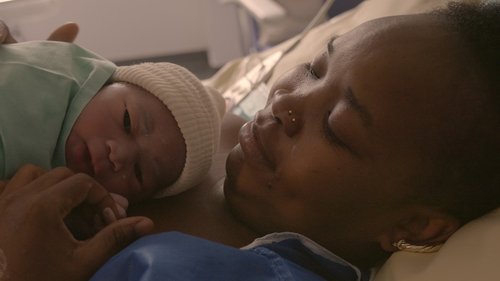
In a Parisian public hospital, Claire Simon questions what it means to live in women’s bodies, filming their diversity, singularity and their beauty in all stages throughout life. Unique stories of desires, fears and struggles unfold, including the one of the filmmaker herself.
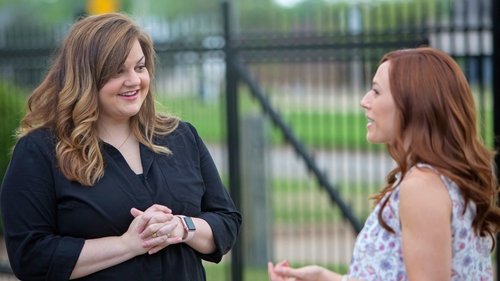
As one of the youngest Planned Parenthood clinic directors in the nation, Abby Johnson was involved in upwards of 22,000 abortions and counseled countless women on their reproductive choices. Her passion surrounding a woman's right to choose led her to become a spokesperson for Planned Parenthood, fighting to enact legislation for the cause she so deeply believed in. Until the day she saw something that changed everything.
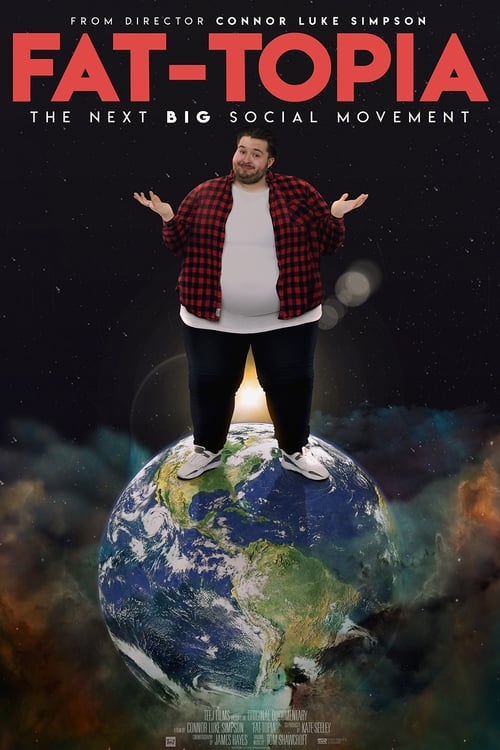
In an era of activism, filmmaker Connor Luke Simpson enters the world of Fat Acceptance, a provocative social movement that is seeking to change the negative perception of obesity. Is everything we know about obesity wrong, or, will this movement just become a footnote in the history books?

Véro compares perimenopause to the lottery: you can experience 3, 10 or 30 symptoms. In her case, she won the lottery. The first signs came early in her life. So she didn't make the connection between the mood swings, water retention, dry skin, hair loss - and menopause. Before finding comfort, she wandered for years. Loto-Méno is her story, her quest, told with courage and frankness.

At a public hospital in Nicaragua, Ob/Gyn Dr. Carla Cerrato must choose between following a law that bans all abortions and endangers her patients or taking a risk and providing the care that she knows can save a woman's life. In 2007, Dr. Cerrato’s daily routine took a detour. The newly elected government of Daniel Ortega, a former Marxist revolutionary who converted to Catholicism to win votes, overturned a 130-year-old law protecting therapeutic abortion. The new law entirely prohibits abortion, even in cases of rape, incest, or when a woman’s life is at stake. As Carla and her colleagues navigate this dangerous dilemma, the impact of this law emerges—illuminating the tangible reality of prohibition against the backdrop of a political, religious, and historically complex national identity. The emotional core of the story—the experiences and situations of the young women and girls who are seeking care—illustrate the ethical implications of one doctor's response.
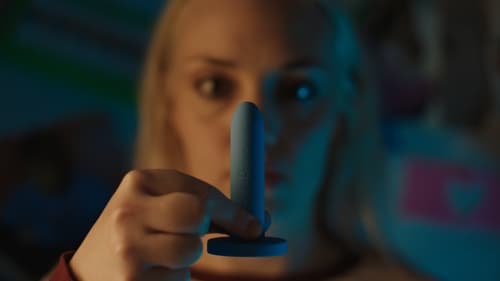
Based on writer & producer Bonnie Gross's true story, Lady Parts is a dramedy feature film where a young woman’s sex life becomes a family affair when she has to undergo a vulvar vestibulectomy. Her loving, but overbearing parents help her through recovery (despite her cringing) and learn that saying “vagina” loud and proud is the first step to advocating for herself in all aspects of her life.
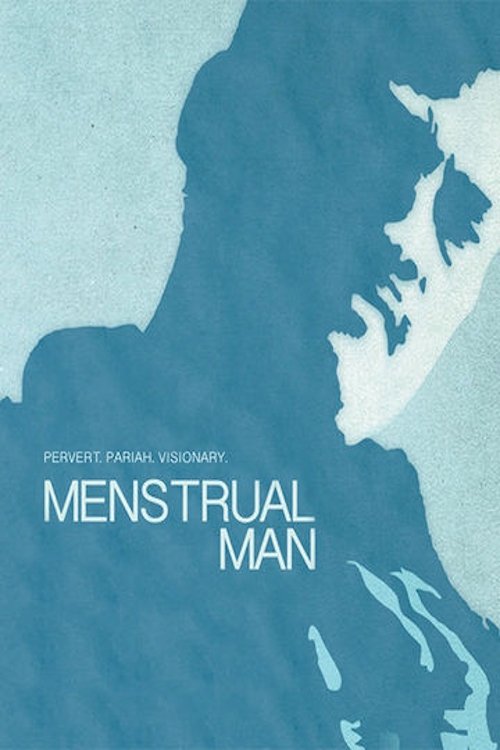
Some folks squirm at mention of a woman’s period…not Arunachalam Muruganantham. Considered a madman and pervert by his community, he ignores his detractors and makes his dream—low-cost sanitary pads made by and for rural Indian women—a reality. Using manually operated machines, Muruganantham’s microbusiness model is focused on something more important than profits: providing sustainable employment, hygiene and emancipation to women who would otherwise go without. He’s a man with a million-dollar idea—except money has nothing to do with it. His goal is to make a livelihood, not to accumulate wealth; to operate at a human scale, not a multinational one. Menstrual Man is the inspiring story of a hero who rises above poverty and a lack of education to become a superstar social entrepreneur in the business of breaking cultural taboos and re-inventing the economic pyramid. Muruganantham is leading a movement, not a company. And it’s spreading.