
Action
Adventure
Animation
Comedy
Crime
Documentary
Drama
Family
Fantasy
History
Horror
Music
Mystery
Romance
Science Fiction
Thriller
War
Western
Found 42 movies, 20 TV shows, and 2 people
Can't find what you're looking for?
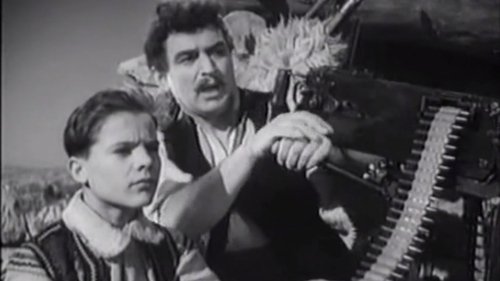
Yugoslav farmer-turned-partisan Slavko Babić starts an uprising against the fascist Germans and their allies.
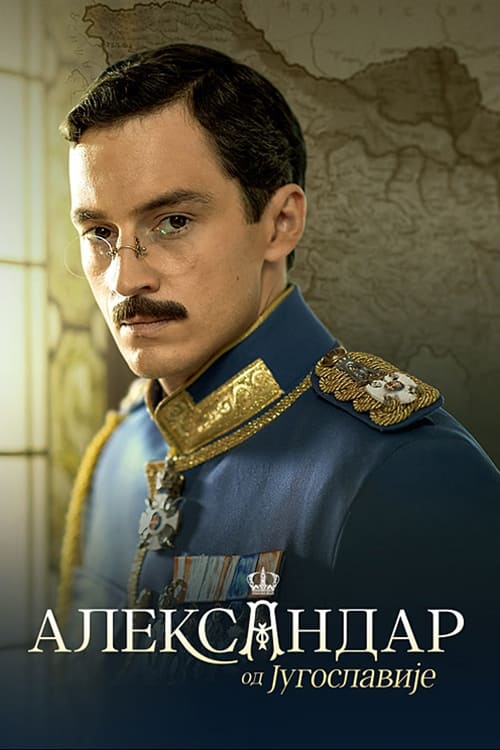
A biographical story of Serbian King Aleksandar I Karadjordjevic.

This documentary explores the disintegration of Yugoslavia from a historical and human perspective, highlighting the events that led to the collapse of this union, which was once considered a symbol of unity and coexistence among diverse nationalities.

No description available for this movie.
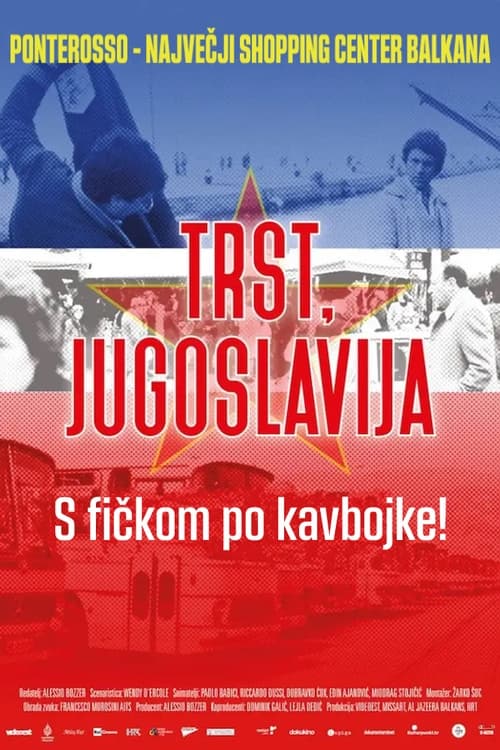
A documentary about favorite shopping destination for Yugoslavs: Trieste in Italy.
First revue of domestic Yugoslav cinema in Yugoslavia, 1954.
Over two films, this documentary reveals the formation and disintegration of Yugoslavia.
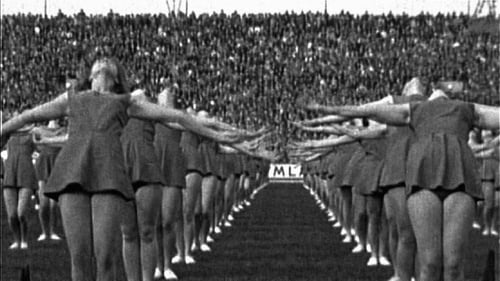
A research-based essay film, but also a very personal perspective on the history of socialist Yugoslavia, its dramatic end, and its recent transformation into a few democratic nation states.
Movie by Janko Baljak.
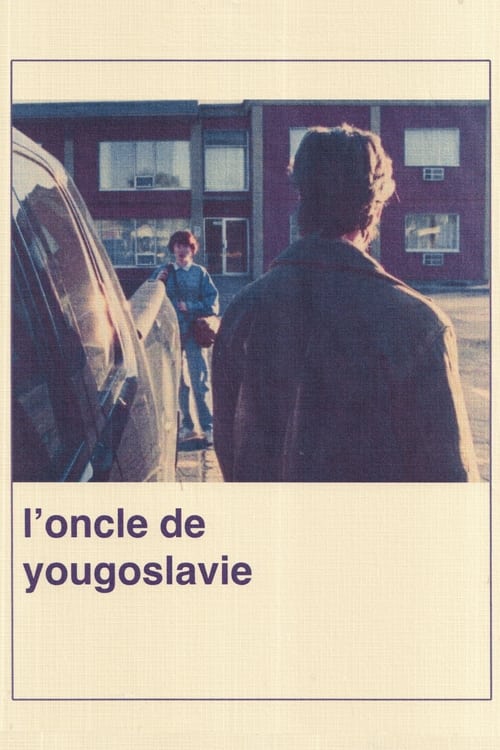
Asma receives bad news about her father's health. She takes the road towards home with an uncle about whom she knows nothing; he who cut ties with his family a long time ago.
They were called ‘the golden generation’, the young Yugoslavian soccer players who won the Junior World Soccer Championships in 1987 in Chile. They became world-famous and today play in Rome, Milan and Madrid. But the country they represented in Chile no longer exists. Director Vuk Janic talks with soccer heroes like Zvonimir Boban and Sinisa Mihajlovic and visits the neighbourhoods they grew up in. Via the soccer, he tells the story of the disintegration of his country. The supporter riots in 1990 during the match between Red Star Belgrade and Dinamo Zagreb heralded the imminent war. Shortly after, the team fell apart. Seven years later, as national players of Croatia and little Yugoslavia, they compete in two charged qualification matches for the 2000 European Championships. Soccer is not war, but the war is never far away. The first match in Belgrade has to be cancelled due to NATO bombings, and the two national hymns are drowned in deafening whistles from the audience.

A musical-documentary film about five high school students from Koper who drove Yugoslavia crazy in the late 1960s. Despite a handful of their own original compositions, they filled halls and football stadiums with more than 10,000 visitors. The Ljubljana Exhibition and Convention Center and the Tivoli Hall were opened in Ljubljana. They laid the foundations of the Yugoslav music industry. The Kameleoni pulled back the Yugoslav Iron Curtain and helped the entire generation break free from the shackles of ideological and cultural post-war monumentalism.
No description available for this movie.

A journey through the times and spaces of the Hotel Jugoslavija.
No description available for this movie.

Super 8mm film by Dejan Vlaisavljević.
Made from a collection of home movies, news footage and photos gathered from a residency in Belgrade in memory of a country that no longer exists.
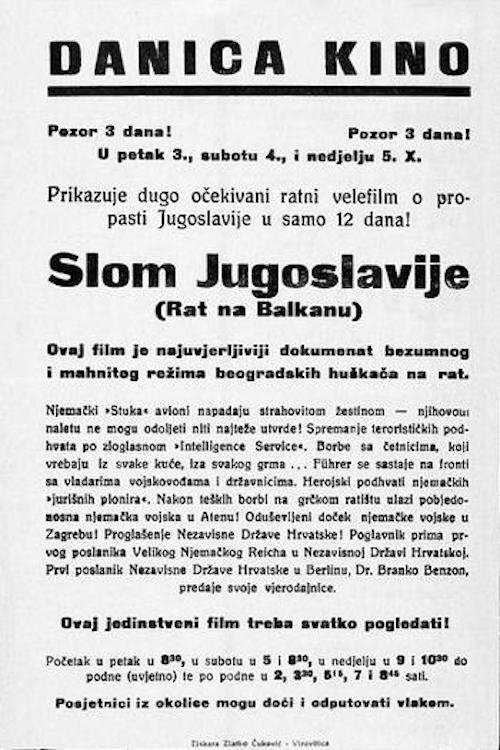
German war documentary about Yugoslavia from 1941.

A film about the Balkan metropolis during interwar period.
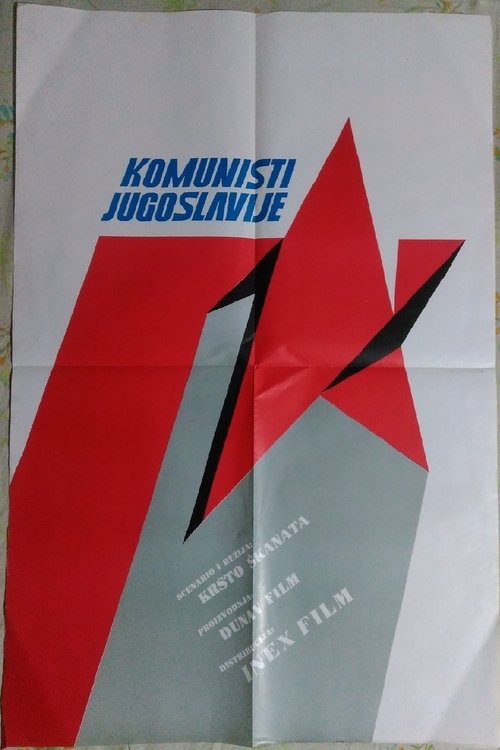
Documentary movie about the Communists of Yugoslavia.
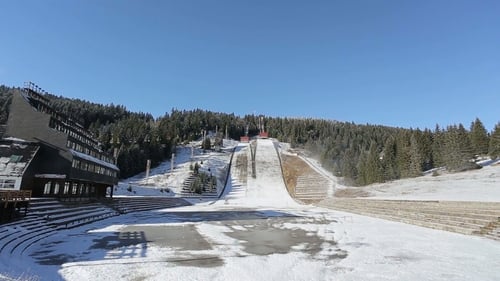
A study of the psychology of a champion ski-flyer, whose full-time occupation is carpentry.

Belgrade in 1963. In a yard surrounded by buildings, a group of young people of different backgrounds and social status, but of similar views about love and self-affirmation, spend their time together. Their friendship is dyed with various events typical for socialism, such as working actions or Youth Day's parade. All what happens within this yard may become an allegory of one generation's destiny.
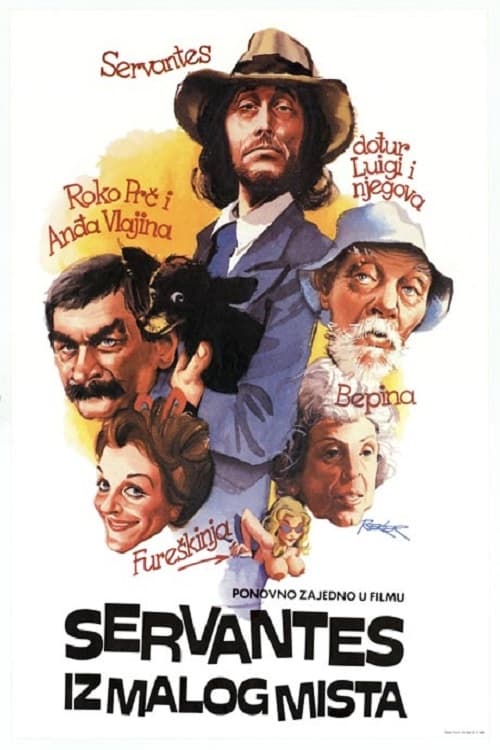
'Malo Misto' lives its own life, but not far behind the times. Hotel manager Roko Prč strives to organise tourism, so he introduces the first nudist beach. His wife Anđa brings two of her cousins from the Dalmatian hinterland and demands Roko to hire them. One of them, a young man named Ikan, earns the attention of a beautiful Swedish tourist. From Chile to Malo Misto returned Tonči, nicknamed Servantes, of course, without any money. He fell on the back of his hardworking aunt Keka, who even without him has enough problems of her own. Servantes also experiences an unexpected romance.
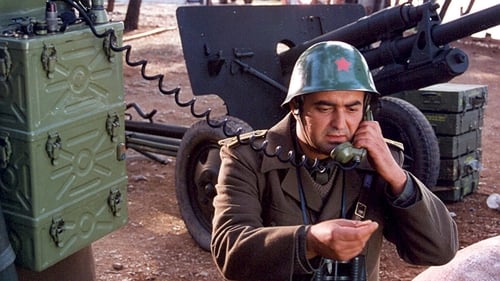
At the beginning of 1991, Yugoslav army did not acknowledge Croatian's independence, and still holding few military barracks in Croatia. Gajski travels to an island to get his son out of the army. Locals have besieged the barracks and organized a festival to try with singing and recitals to get major Aleksa and his soldiers to surrender, but Aleksa has explosives thru the barracks and wants to blow up the island.

Shot in various villages throughout Yugoslavia, this is a disturbing document of a time when people were stabbing each other with knives without any real reason. Murderers, people who witness these murders and the families of victims all talk about the senseless violence and the human condition.
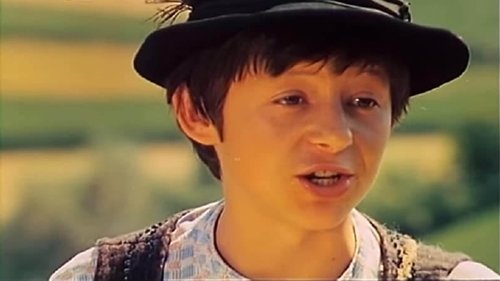
A group of village boys found a gang under the leadership of the most intelligent amongst them - Pero the Lump. They decide to renovate an old and abandoned watermill on the outskirts of their village. A discord amongst the villages has caused the mill to remain unused. To make sure it stays closed, the corrupted steam mill owner is ready to bribe customers. Pero's gang does not want to give in under the pressure of corrupt villagers...
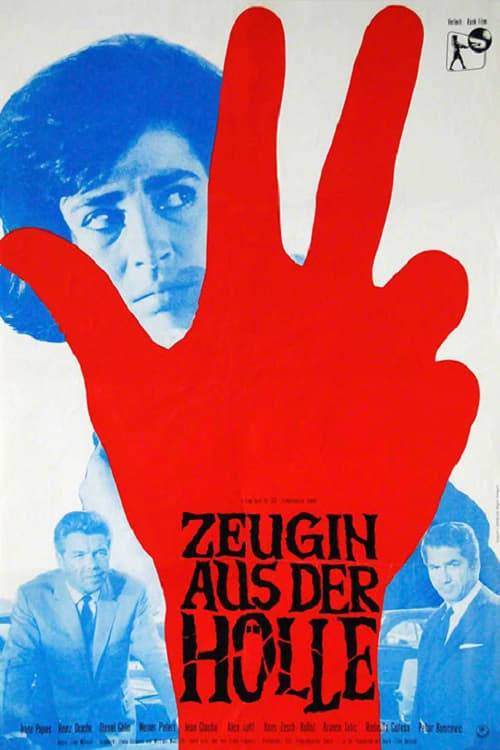
Leah Weiss, a Polish Jew, was first forced into prostitution at Auschwitz. Afterwards, she was victimized in medical experiments. Now, twenty years later, German war crimes prosecutors hope she will be their star witness. But can she stand up to the shame, the publicity, and the reliving of those experiences?
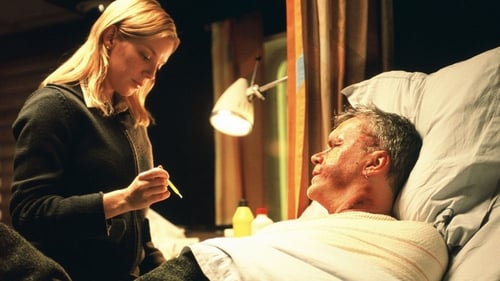
A solitary nurse bonds with a badly burned patient who survived an accident on an oil rig.

Lepa Brena goes to one of the islands of the Adriatic, on a working holiday, but due to the holidays and planning the next tour, false news that the notorious island Lepa Brena requested a special guest for the tour. The news will completely disrupt the thrill and to potential tour guests, tourists and members of the Sweet Sin and the whole island.

Three kidnappers are out to get Lepa Brena, the most popular singer in Yugoslavia. Policemen are on their trail, but Lepa Brena is not helpful being on a massive Yugoslavian tour with her band "Slatki Greh", a manager and their crazy bus driver Gile. And even the band members have their own problems, many of them being horny groupies of Bale, the guy with the flute.
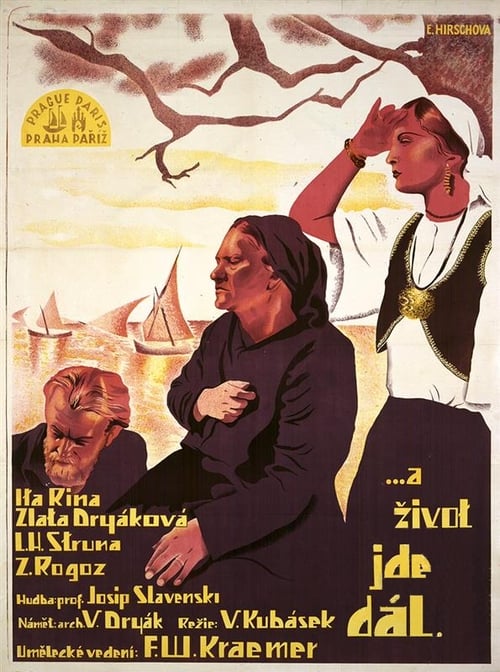
On the coast of Yugoslavia lives fisherman Ivo Kralj, his wife Marie, son Vuk, and Ivo's mother in one happy home. Marie, who loves her husband and always looks forward to his return from sea, attracts Nikola, with whom Ivo, out of jealousy, has a scuffle at a dance. After the outbreak of World War I Ivo is mobilized. He ends up in a P.O.W. camp where he is subjected to hard labour. His family then receives news of his death. The years pass and the lonely widow Marie is occasionally visited by her friend Nikola. Ivo's mother would like her to remarry. Soon after the wedding Marie becomes pregnant. Ivo, who has been thought dead, succeeds in escaping the P.O.W. camp where he has spent several years. Upon his arrival home he finds his name on a memorial erected to the victims of the war...

The start of the Yugoslav civil war forces freshly graduated Mina to choose between being an obedient daughter or escaping abroad with her lover so he wouldn't serve in the army.
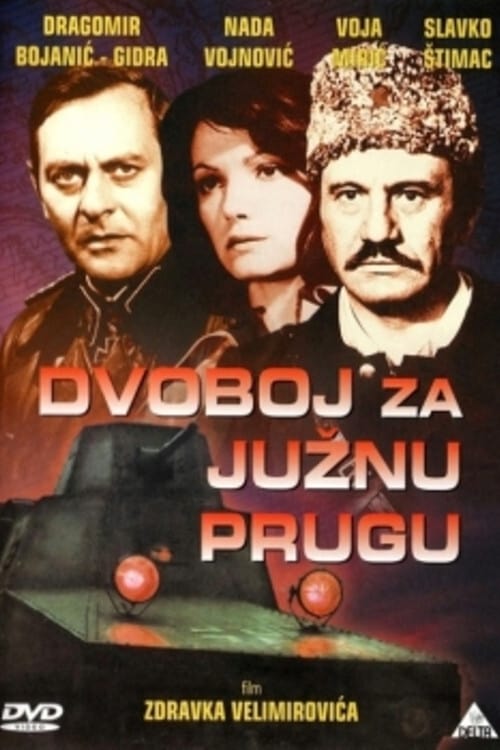
Autumn, 1941. Tito's partisans are ordered to attack a railway network system used by the Germans, their Bulgarian allies and local collaborators. A bloody battle ensues.
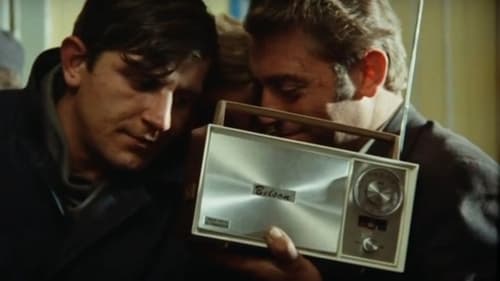
A loving portrait of a pirate radio stations, which is run by the rural population with plenty of passion and talent in the face of opposition from the authorities.
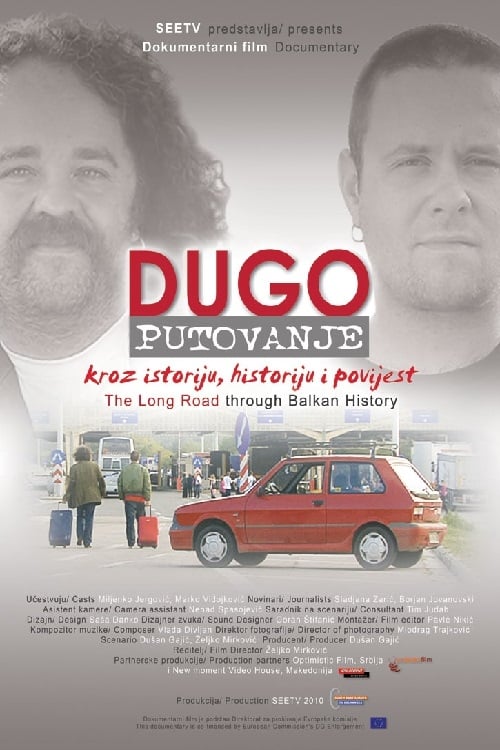
Bosnian Croat writer Miljenko Jergović and Serbian writer Marko Vidojković replace one another by the steering wheel of Yugo, a symbol of their common past while driving on the Brotherhood and Unity Highway that stretched across five of six republics of Yugoslavia.
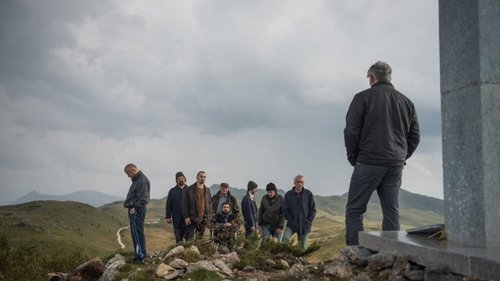
The armed conflicts of the 1990s not only visibly destroyed the land of the former Yugoslavia, but also left the deepest wounds in the memory of each of its belligerent nations. There are as many different interpretations of that bleak past as there are countries affected. It is therefore hard to expect absolute harmony when, less than two decades since the war ended, a diverse group of veterans gathers at a remote mountain hotel for a therapy session over several days. On the contrary, such a dangerously volatile situation can suddenly ignite by just one thoughtless word, or a seemingly dirty look. That’s because the former soldiers, obstinately holding on to their fundamental masculinity and their prejudices, refusing to expose the inhumanity of the atrocities perpetrated. However, this quietness is just about to be broken and hidden emotions are to be faced.
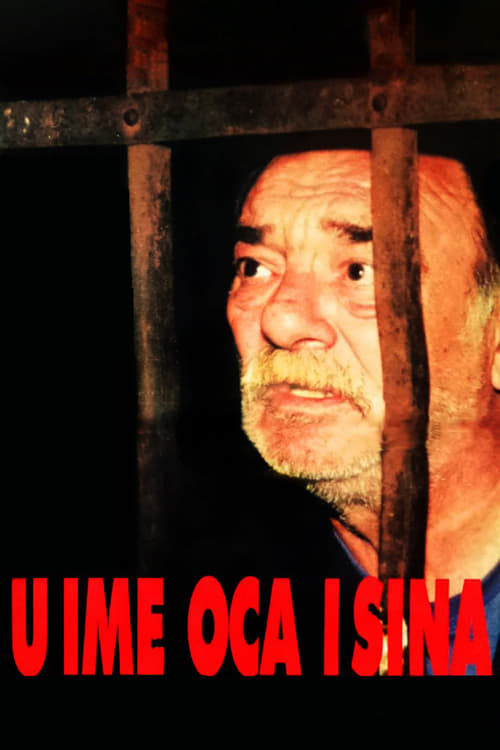
The story about typical Montenegrin family Miletic in post-war Yugoslavia, which shows personal tragedy of a father, whose only son comes back from the war as a different man.
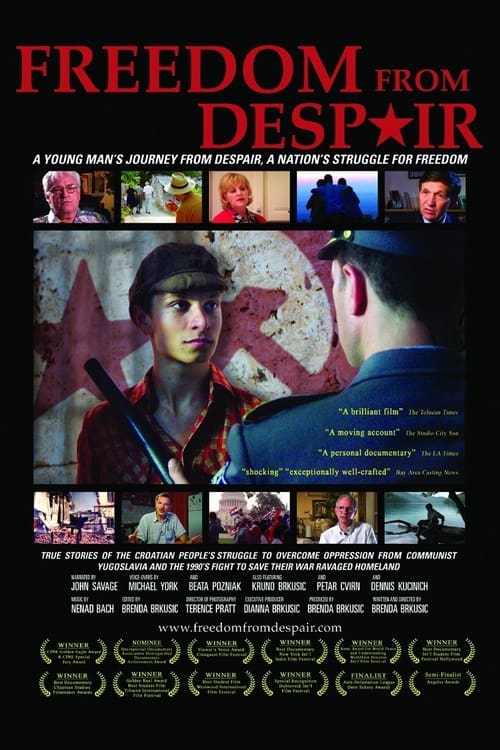
True stories of the Croatian People's struggle to overcome oppression from communist Yugoslavia and the 1990's fight to save their war ravaged homeland.
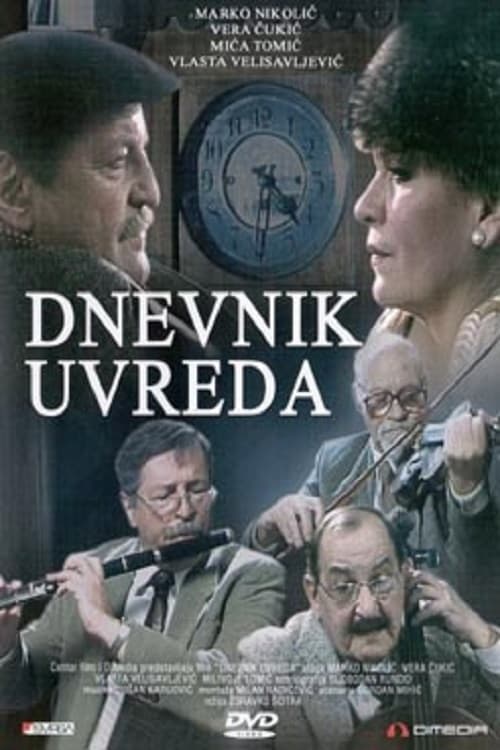
Middle-aged couple try to preserve at least some of their dignified life in times of war, poverty and sanctions.
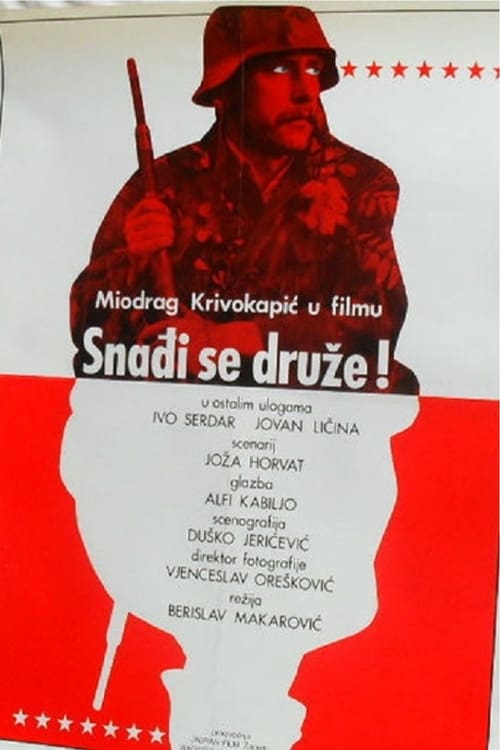
Based on a TV sit-com series and set in World War II, about how an ordinary woodcutter develops into an active partisan fighter.

A detailed account of one of the bloodiest battles of World War I. Between February and December 1916, the French and German armies relentlessly fought in the devastated camps around the village of Verdun.
British Pathé bringing the news of King Alexander's death.