
Drama
Comedy
Action & Adventure
Animation
Documentary
Family
Kids
Mystery
News
Reality
Sci-Fi & Fantasy
Soap
Talk
War & Politics
Western
Explore all TV shows appearances

Throb is an American television sitcom broadcast in syndication from 1986 to 1988, created by Fredi Towbin. It revolved around thirty-something divorcee Sandy Beatty who gets a job at a small New Wave record label, Throb. Beatty's boss is Zach Armstrong, who looks like Michael J. Fox but dresses like Don Johnson. Beatty also has a 12-year old son named Jeremy. Beatty's best friend was Meredith, a single teacher who lived in her building, and her co-workers included hip business manager Phil Gaines, and Prudence Anne Bartlett, nicknamed Blue. During the second season, Sandy moved from her original apartment to the recently vacated penthouse in her building. She took in her co-worker, Blue, to help with rent, but the differences between straitlaced Sandy and the very free-spirited Blue became more pronounced as they both lived and worked together. Notably, it was the first time much of the American TV audience saw Jane Leeves, who later gained fame as Daphne Moon on Frasier. Also notable is the casting of a young Paul Walker, who played Jeremy Beatty for the first season. Walker became a leading man in Hollywood some 15 years later, particularly after his breakthrough role in The Fast and the Furious.
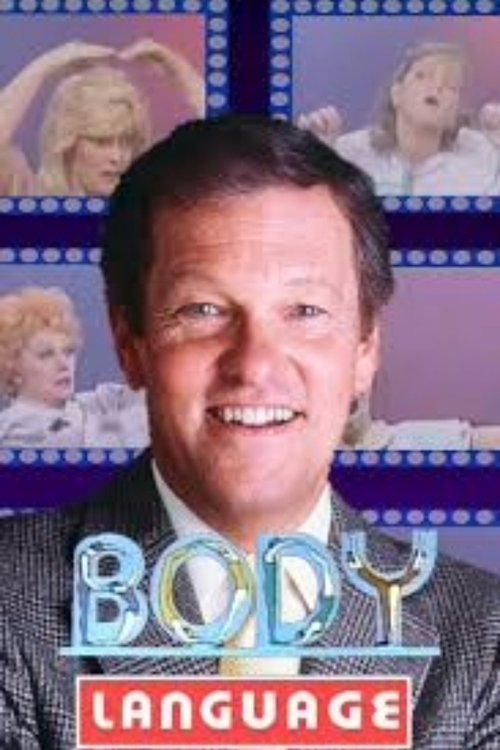
Body Language is an American game show produced by Mark Goodson Productions. The show aired on CBS from June 4, 1984 until January 3, 1986, and was hosted by Tom Kennedy. Johnny Olson announced until his death in October 1985; Gene Wood and Bob Hilton shared the announcing duties afterward, and had substituted on occasion before that. The show pitted two teams against each other, each consisting of a contestant and a celebrity guest. The gameplay centered around the party game charades, in the same vein as the earlier Goodson program Showoffs, but contestants also had to solve word puzzles to win money, making Body Language a cross between Showoffs and Password Plus.
Card Sharks is an American television game show created by Chester Feldman for Mark Goodson-Bill Todman Productions. Two contestants compete for control of a row of oversized playing cards by answering questions posed by the host and then guessing if the next card is higher or lower in value than the previous one. The concept has been made into a series four separate times since its debut in 1978, and also appeared as part of CBS's Gameshow Marathon. The primary announcer for the first three series was Gene Wood.
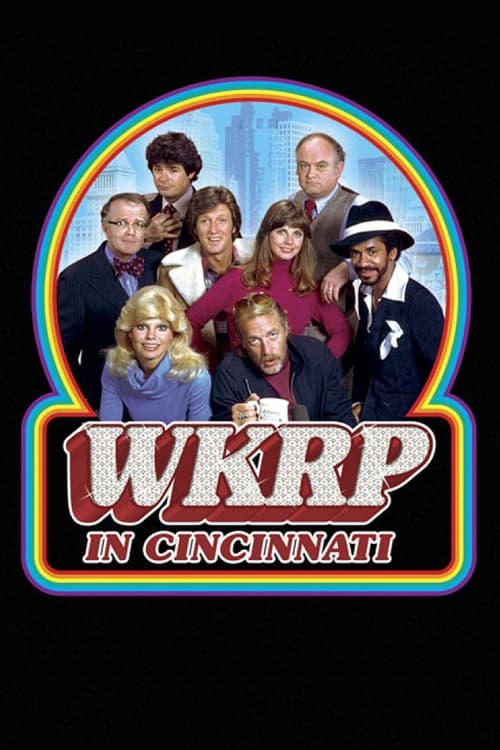
When a Cincinnati radio station switches from sedate music to top-40 rock 'n' roll, its staff of oddball characters is forced to switch gears quickly. New programming director Andy Travis brings in a new DJ named Venus Flytrap to work with the station's burned-out veteran, Dr. Johnny Fever. Neurotic newsman Les Nessman, eager beaver Bailey Quarters, sleazy salesman Herb Tarlek, blonde bombshell Jennifer Marlowe, who serves as the station's ultra-capable receptionist, and station manager Arthur Carlson, whose domineering mother owns WKRP, round out the eccentric bunch.
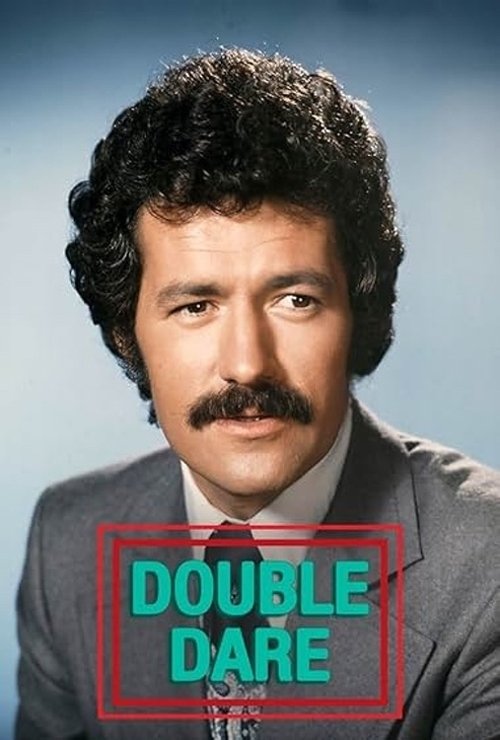
Double Dare is an American television game show, produced by Mark Goodson—Bill Todman Productions, that ran from 1976 to 1977 on CBS. Alex Trebek was the host, with Johnny Olson and later Gene Wood announcing. The show was created by Jay Wolpert. Double Dare was Alex Trebek's only CBS game show, with all others originally airing either on NBC, in syndication, or in Canada; he also only hosted one show for ABC—Super Jeopardy!, which aired for thirteen weeks in 1990.
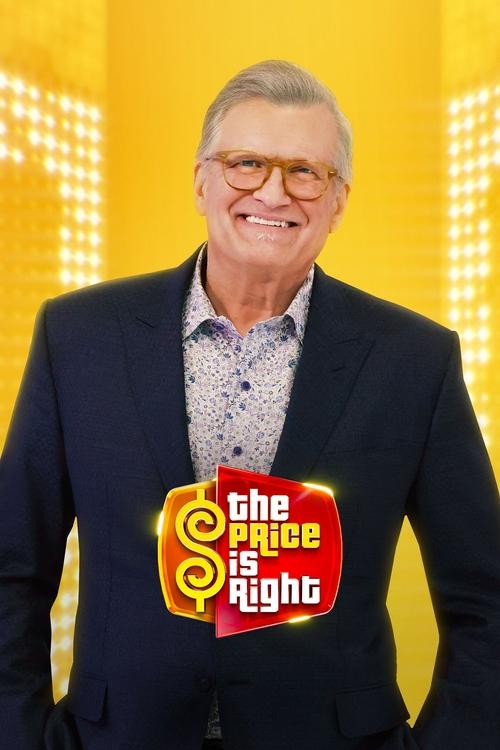
"Come on down!" The Price Is Right features a wide variety of games and contests with the same basic challenge: Guess the prices of everyday (or not-quite-everyday) retail items.
"Come on down!" The Price Is Right features a wide variety of games and contests with the same basic challenge: Guess the prices of everyday (or not-quite-everyday) retail items.
He Said, She Said is an American game show hosted by Joe Garagiola, with Bill Cullen occasionally filling in when Garagiola was covering baseball games. The show, which asked couples questions about their personal lives, aired in syndication during the 1969-1970 season, and was taped at NBC Studios in New York City. The show was produced by Goodson-Todman Productions for sponsor Holiday Inn. Johnny Olson and Bill Wendell announced. The show had two formats during its run; one in which four celebrity couples competed, and one which had a single celebrity couple and three civilian couples. The format was modified and brought back on CBS in 1974 as Tattletales, with Bert Convy as host.

In this panel game show, contestants try to match answers given by six celebrities to humorous and often risque fill-in-the-blank questions.

No plot available for this tvshow.
Subscribe for exclusive insights on movies, TV shows, and games! Get top picks, fascinating facts, in-depth analysis, and more delivered straight to your inbox.
