
Drama
Comedy
Action & Adventure
Animation
Documentary
Family
Kids
Mystery
News
Reality
Sci-Fi & Fantasy
Soap
Talk
War & Politics
Western
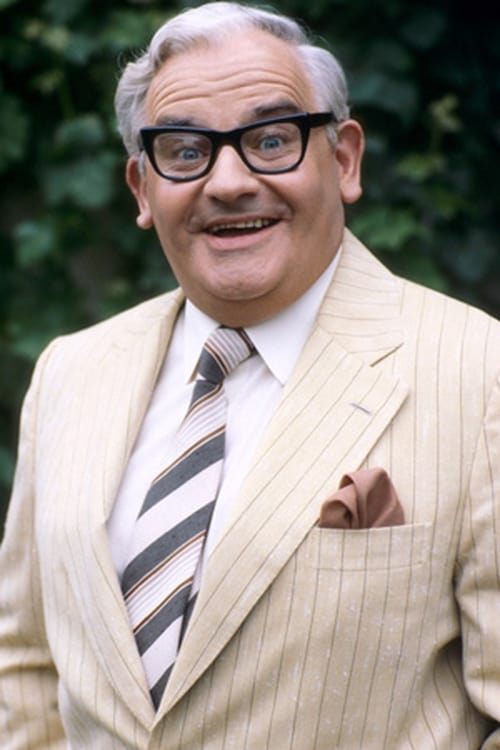
Ronald William George Barker was an English actor, comedian and writer. He was known for roles in British comedy television series such as Porridge, The Two Ronnies, and Open All Hours. Barker began acting in Oxford amateur dramatics while working as a bank clerk, having dropped out of higher education.
Explore all TV shows appearances

A 3 part documentary series looking at the The Two Ronnies.
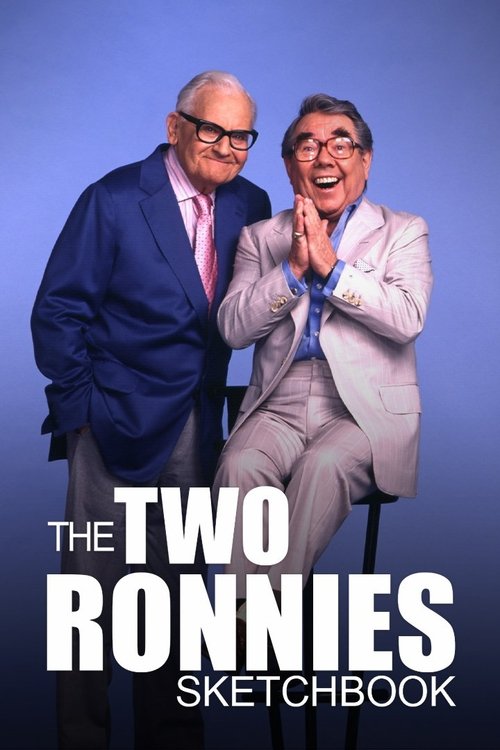
Six hour-long episodes of The Two Ronnies Sketchbook aired on BBC 1 in March and April 2005. It saw the Two Ronnies back behind their famous news desk, introducing some of their favourite sketches and re-reading some of the classic news items that began and ended every episode of The Two Ronnies. Much was made of the fact that the sketches chosen were shown in their entirety. Each week an episode of the classic Spike Milligan-scripted serial The Phantom Raspberry Blower of Old London Town was shown, and each episode featured a new performance by a popular singer.
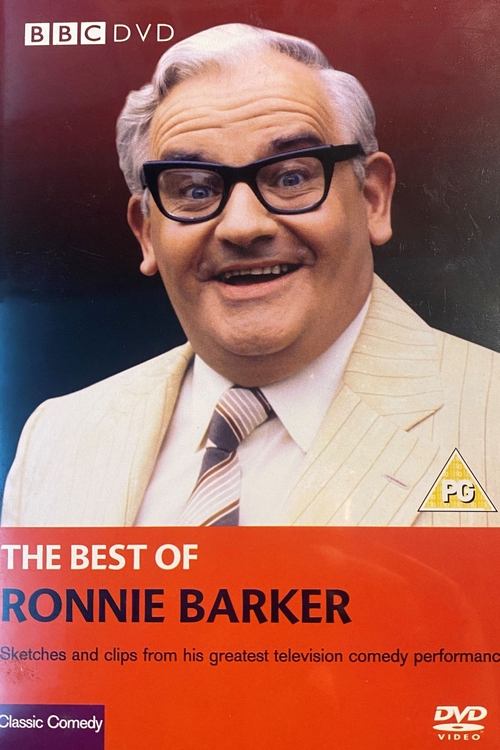
Sketches and clips from his greatest television comedy performances
Comedic British History
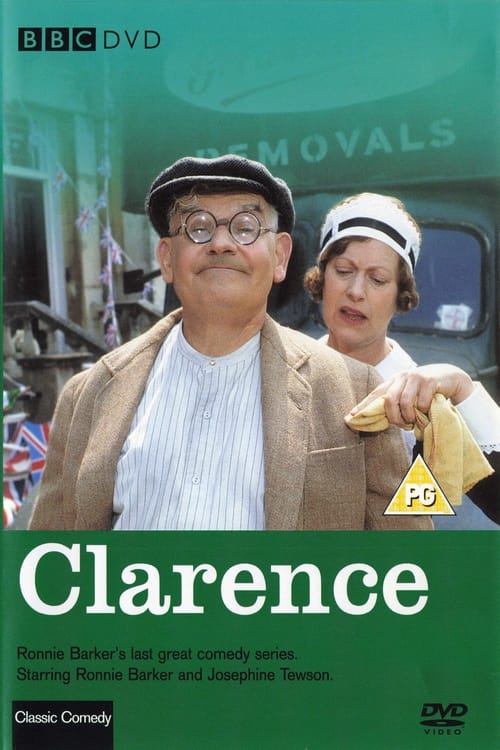
Clarence is a 1988 BBC situation comedy starring Ronnie Barker and Josephine Tewson, written by Ronnie Barker under the pseudonym "Bob Ferris". It was Barker's final sitcom appearance before his retirement. Barker had previously faced some criticism over his employment of a stammer for comedic effect in Open All Hours. However, the slapstick potential of a short-sighted furniture shifter must have seemed irresistible. The series was inspired by The Removals Person by Hugh Leonard, an earlier programme in the 1971 LWT comedy series, Six Dates With Barker. The house of Jane Travers, which inspired the opening titles, is located on Malvern Road in Cheltenham.
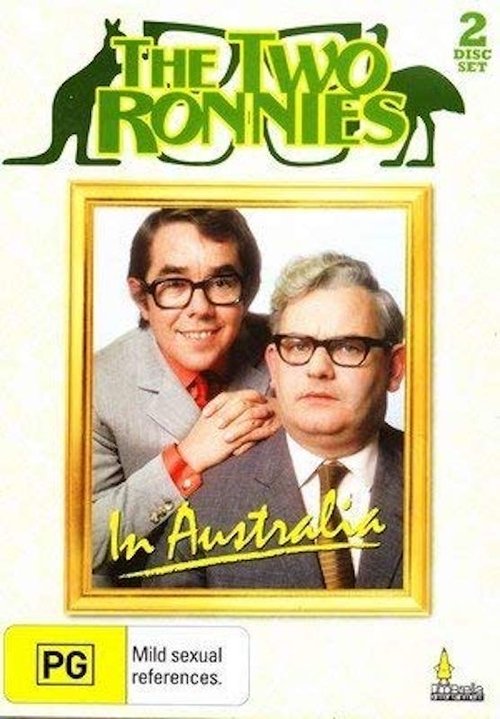
With their unique comedic brand of absurd sight gags, razor-sharp wordplay and devious double entendres, Ronnie Corbett and Ronnie Barker together dominated TV comedy throughout the 70s and 80s. Over twelve series and eight specials, and with the help of some of the best writers in British comedy including John Cleese, Spike Milligan and Michael Palin, The Two Ronnies was the flagship sketch comedy show for the BBC, and became an institution in lounge rooms across Australia. In 1986, shortly before their final TV series went to air, Ronnie Barker and Ronnie Corbett performed a riotous series of shows in Australia for Channel Nine, the duo parading their mastery of silly skits, limericks, puns and tongue-twisters. Across six hilarious hour-long episodes, The Two Ronnies in Australia showcases two legendary comics at their side-splitting best.
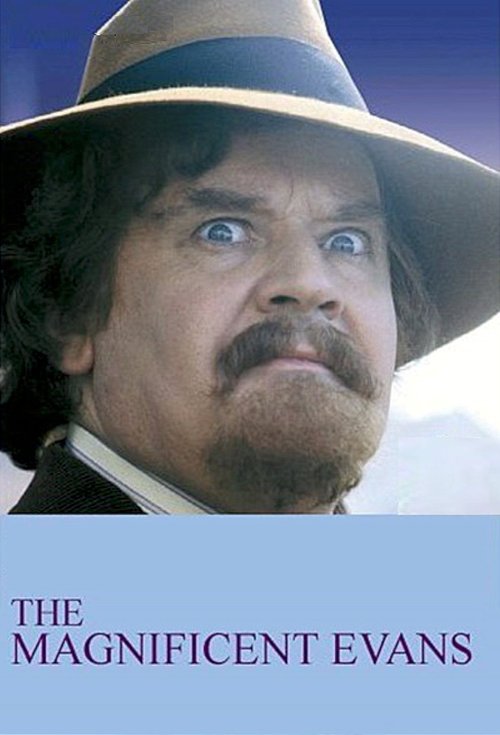
The Magnificent Evans is a 1984 BBC situation comedy written by Roy Clarke and starring Ronnie Barker, Sharon Morgan and Myfanwy Talog.

Chat show hosted by Terry Wogan, featuring live studio interviews with famous and notable personalities.

The Big Show is an American comedy-variety-musical television series produced and broadcast by NBC for several months in 1980. The series aimed to revitalize the moribund variety television genre, which had been in a downward spiral since the cancellations of The Ed Sullivan Show and The Carol Burnett Show a few years earlier. The Big Show took its title seriously, using a huge stage set and filling a 90-minute time-slot, with at least one two-hour installment broadcast. Although the first broadcast received high ratings, poor reviews and low ratings of succeeding episodes resulted in the program being cancelled after only a few months. The series nonetheless was nominated for six Emmy Awards, winning for Outstanding Costume Design. Regular performers included Joe Baker, Graham Chapman, Mimi Kennedy, Shabba-Doo and Pamela Myers. Guest hosts included Steve Allen, Nell Carter, David Copperfield, Geoffrey Holder, Gary Coleman, and Sid Caesar. Skaters who performed in the show included Peggy Fleming, Dorothy Hamill, John Curry, and Toller Cranston.
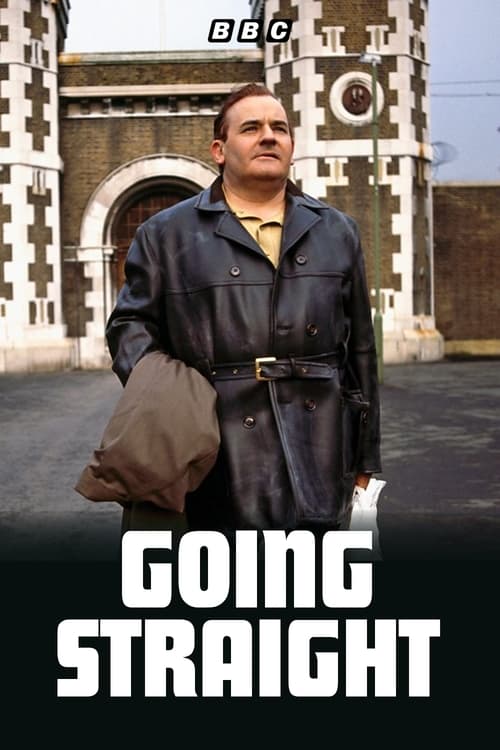
Going Straight is a BBC sitcom which was a direct spin-off from Porridge, starring Ronnie Barker as Norman Stanley Fletcher, newly released from the fictional Slade Prison where the earlier series had been set. It sees Fletcher trying to become an honest member of society, having vowed to stay away from crime on his release. The title refers to his attempt, 'straight' being a slang term meaning being honest, in contrast to 'bent', i.e., dishonest. Also re-appearing was Richard Beckinsale as Lennie Godber, who was Fletcher's naïve young cellmate and was now in a relationship with his daughter Ingrid. Her brother Raymond was played by a teenage Nicholas Lyndhurst. Only one series, of six episodes, was made in 1978. It attracted an audience of over 15 million viewers and won a BAFTA award in March 1979, but hopes of a further series had already been dashed by Beckinsale's premature death earlier in the same month.
Subscribe for exclusive insights on movies, TV shows, and games! Get top picks, fascinating facts, in-depth analysis, and more delivered straight to your inbox.