Drama
Comedy
Action & Adventure
Animation
Documentary
Family
Kids
Mystery
News
Reality
Sci-Fi & Fantasy
Soap
Talk
War & Politics
Western
Explore all TV shows appearances
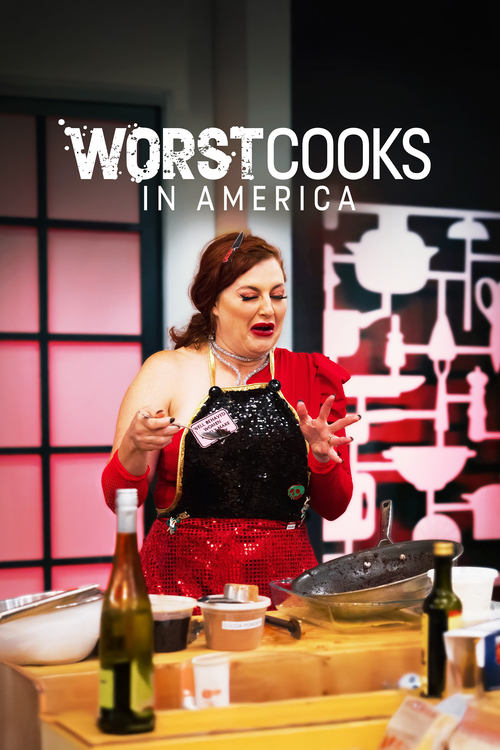
12 to 16 contestants with poor cooking skills are taken through an eight-week culinary boot camp, to earn a cash prize of $25,000. The recruits are trained on the various basic cooking techniques including: baking, knife skills, temperature, seasoning and preparation. The final challenge is to cook a restaurant quality three-course meal for three food critics.

In this musical comedy, optimistic high school teacher Will Schuester tries to refuel his own passion while reinventing the high school's glee club and challenging a group of outcasts to realize their star potential as they strive to outshine their singing competition while navigating the cruel halls of McKinley High.

Rick & Steve: The Happiest Gay Couple in All the World is an American-Canadian stop motion animated sitcom created by Q. Allan Brocka, who also acts as director. It is a spin off from Brocka's 1999 short film of the same name, and debuted on the LGBT focused Logo network in July 2007 and on the Canadian Teletoon's late-night programming block "The Detour" that October. The show premiered in the UK on E4 on 17 September 2008 and in January 2010 on Virgin 17 in France. After the first season aired, Logo renewed the program for a second season, which debuted on November 11, 2008. The animation of the original Rick & Steve shorts were done using Lego blocks and figures, prompting a lawsuit from the company. Though the series no longer uses Lego blocks, it still draws comparison to both them and those by Playmobil. It is produced by Toronto-based production studio, Cuppa Coffee Studio. Currently, there are no further plans for a third season of Rick & Steve.
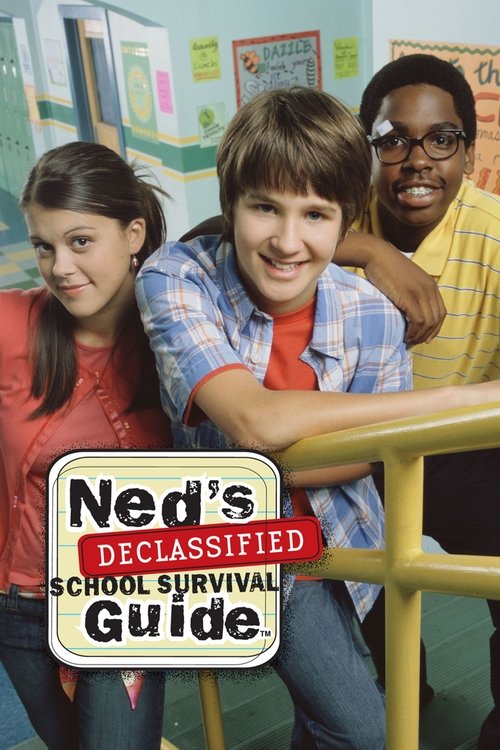
The whacky adventures of Ned Bigby and his best pals Moze and Cookie at James K. Polk Middle School, as "every-kid" Ned shatters the fourth wall to share tips and tricks on navigating middle school or junior high hurdles. Ned's not super cool, and he has no superpowers. He is, however, witty, well-groomed, upbeat and self-aware. Moreover, with more than a little help from his two best friends, he's equipped to conquer middle school minefields. From crushing bullies to crushes, from off- the-wall, mean and cool teachers to pop quizzes, elections and detentions, Ned knows that nothing, including the seventh grade, is as bad as it seems, and friendship matters most.
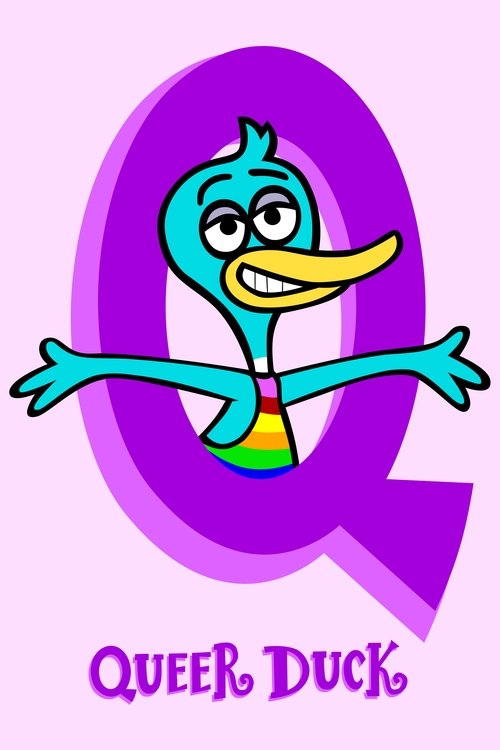
Queer Duck is an animated series produced by Mondo that originally appeared on Icebox.com and later moved to the American cable television channel Showtime in 2002, where it aired as a follow-up feature of the American version of Queer as Folk. Although far from being the first gay cartoon character, Queer Duck was the first animated TV series to have homosexuality as its predominant theme. Like several later television cartoons, Queer Duck was animated in Macromedia Flash. The show was created, written and executive produced by Mike Reiss, executive producer of network cartoons The Simpsons and The Critic. The animation was directed and designed by Xeth Feinberg. The theme song for the cartoon was performed by the drag-queen celebrity, RuPaul. Despite the suggestive content, there is no graphic language or any sexual content, but the latter is heavily implied throughout the series and the movie.
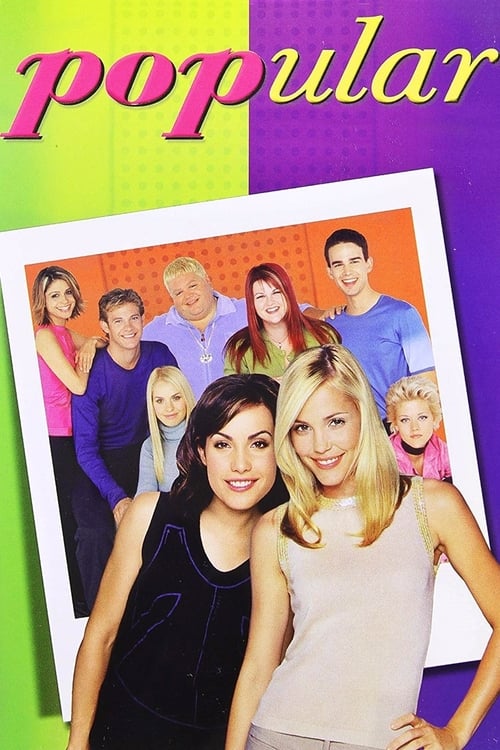
Brooke McQueen, a popular cheerleader at Jacqueline Kennedy High School, and Sam McPherson, the editor of the school paper, are polar opposites. When their single parents unexpectedly meet and get engaged, Brooke and Sam have to deal with their new situation on top of regular teenage girl problems.

Boogies Diner is a syndicated Canadian sitcom which first aired in 1994. It stars Jim J. Bullock, Monika Schnarre, and James Marsden in one of his first appearances on television. The series ended in 1995.
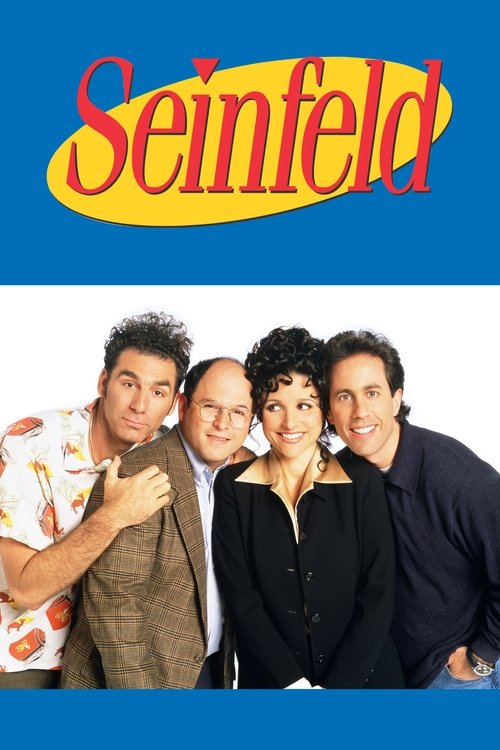
A stand-up comedian and his three offbeat friends weather the pitfalls and payoffs of life in New York City in the '90s. It's a show about nothing.
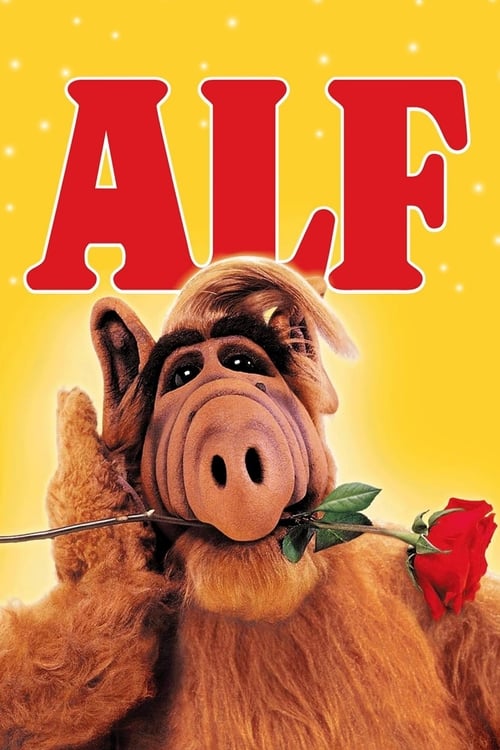
A furry alien wiseguy comes to live with a terran family after crashing into their garage.
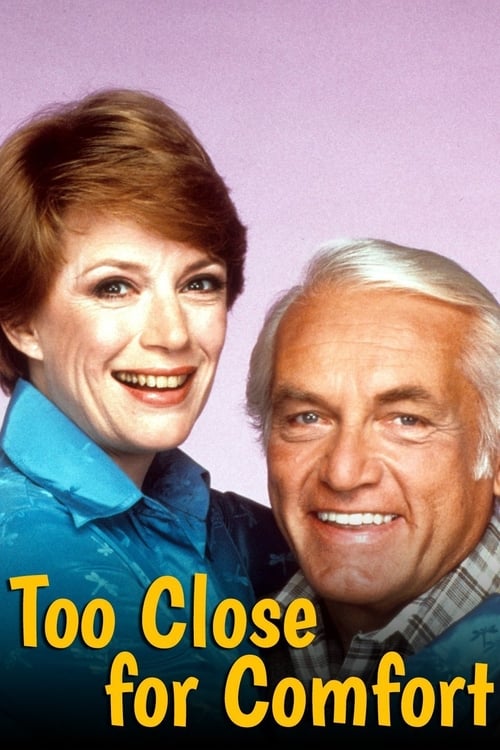
Too Close for Comfort is an American television sitcom which ran on the ABC network from November 11, 1980 until May 5, 1983, and in first-run syndication from April 7, 1984 until September 27, 1986. It was modeled after the British series Keep It in the Family, which premiered nine months before Too Close for Comfort debuted in the U.S. Its name was changed to The Ted Knight Show when the show was retooled for its final season.
Subscribe for exclusive insights on movies, TV shows, and games! Get top picks, fascinating facts, in-depth analysis, and more delivered straight to your inbox.