
Drama
Comedy
Action & Adventure
Animation
Documentary
Family
Kids
Mystery
News
Reality
Sci-Fi & Fantasy
Soap
Talk
War & Politics
Western
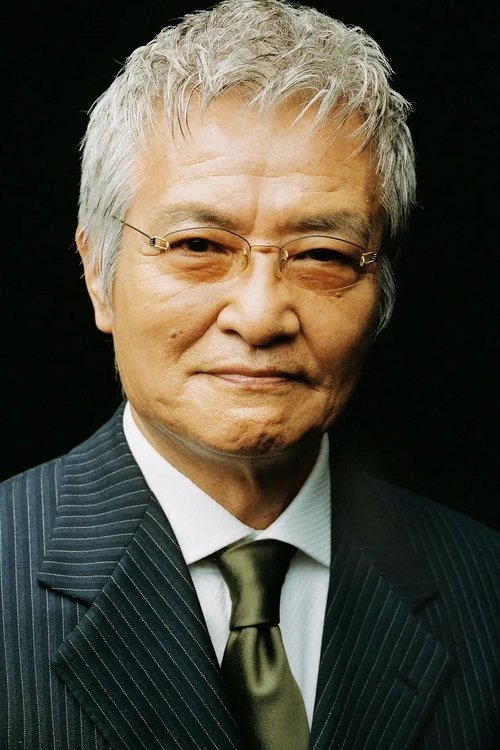
Ken Ogata (緒形 拳 Ogata Ken, 20 July 1937-5 October 2008) was a Japanese actor. Ogata was born in Tokyo, Japan. Ogata is well known for his roles in Peter Greenaway's The Pillow Book, Paul Schrader's Mishima: A Life in Four Chapters and Shohei Imamura's The Ballad of Narayama. He won the award for best actor at the 26th Blue Ribbon Awards for Okinawan Boys. In television, his starring role as Toyo...
Explore all TV shows appearances
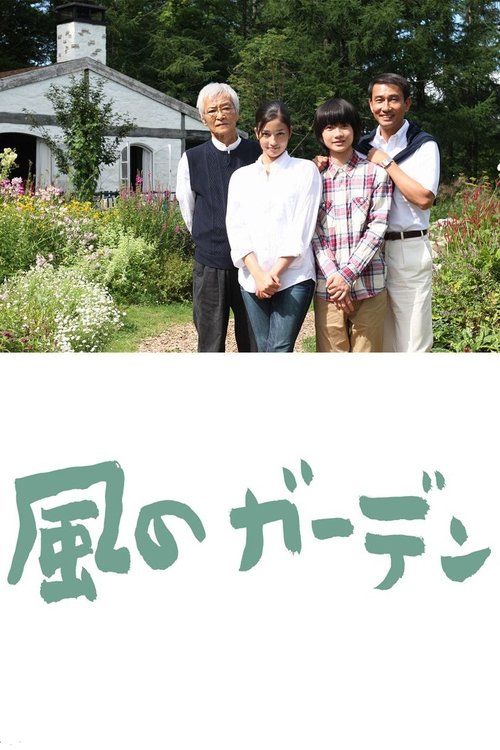
The lead, Dr. Sadami Shiratori worked in the operating room at a famous Tokyo hospital was around death on a daily basis. His own father, Teizo Shiratori is also a doctor, called Grandfather as he raised the estranged children of his wayward son, he practiced medicine in a small town on Hokkaido, Japan’s most northern island. His practice was limited only to terminal patients…in their own homes. He cared for them and helped both them and their families prepare for the ‘final journey’.
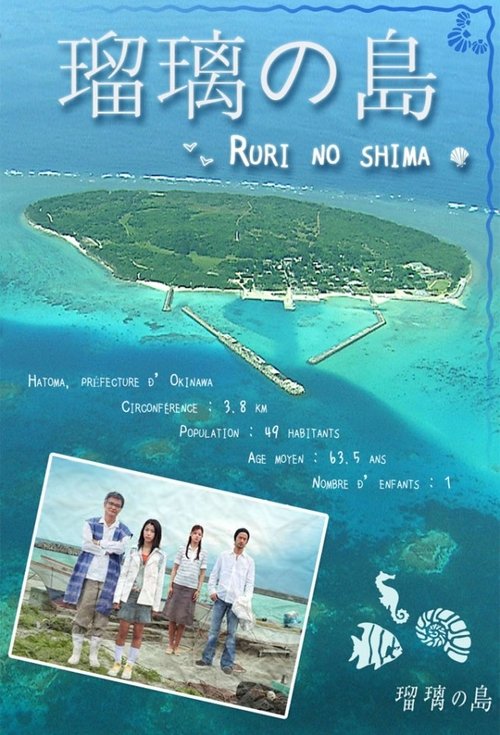
Ruri, having been abandoned by her mother to a foster care facility, lives a life of reckless abandonment. When Nakama Yuzo, a kind man but for a trigger-happy temper, runs into Ruri he realizes that perhaps she's the child he's been looking for. Yuzo lives in Hatomijima, a small insland in Okinawa where the population is 49 and the average age group is 61. There are no children. The island has only one school - a primary school. If a child is not enrolled in the school, it will be closed. As a result, society will abandon the island and in a few years, it will cease to have any inhabitants. To save their island, the locals decide to bring in a foster child. Ruri is their candidate, and with her she brings the hope of the island's survival.
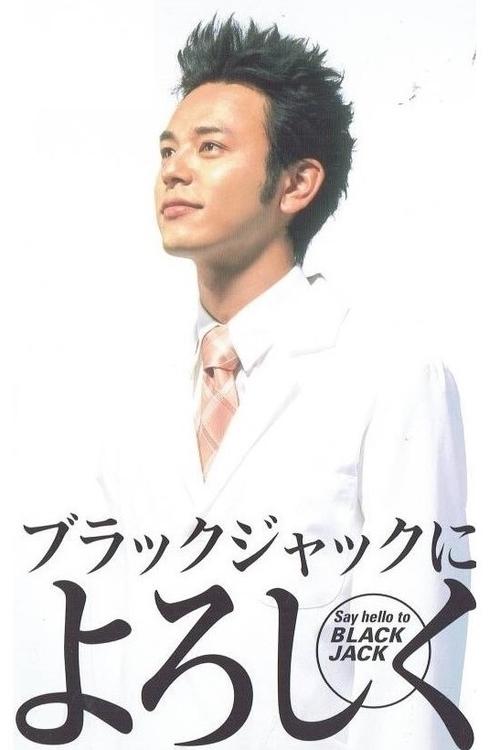
Eijiro Saito is a graduate of the prestigious Eidai Medical School and is sent to Eidai Hospital as a trainee doctor. There, under the supervision of Dr. Shiratori at the surgery department, Eijiro trains hard with Dekune and Munekata. But all they seem to do is take care of menial work for low hours and low pay. So low in fact bad that they have to do part-time work at other hospitals just to make ends meet. Eijiro picks Seido Hospital, run by Dr. Hattori, for his part-time job. The surgery is like a battleground. Eijiro is very impressed by his senior Dr. Ushida and the nurse Kaori. But one night, when he is on duty, Eijiro runs from the surgery leaving a badly injured patient behind! It is the story of an intern doctor and the various problems and contradictions of the medical industry. -- TBS
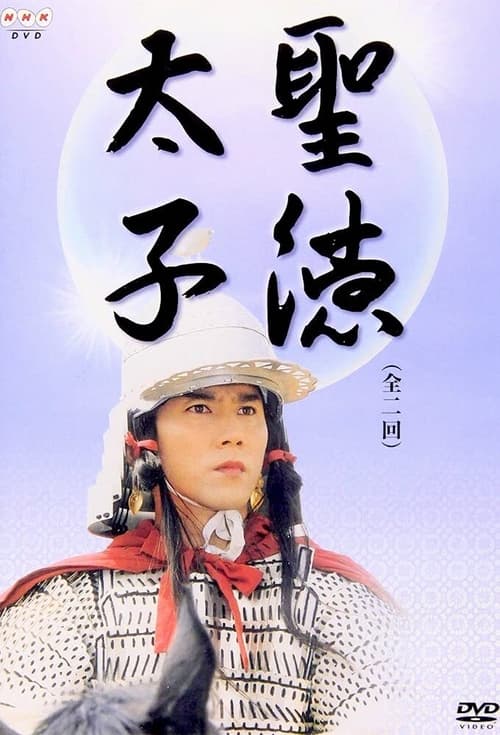
In the late 6th century the leaders of the Yamato Dynasty had no clear plan for the creation of a unified state. Battles still raged among various warrior clans. Shotoku Taishi, second son of Emperor Yomei, strived to create a new nation out of this chaos. NHK captures this great man from a time in history rarely depicted on screen, in a story of epic proportions. Shotoku Taishi is known mainly through legends and myths and has been viewed as more god than man. The elaborate and colorful costumes of the time and the beauty of ancient Japan enhance this fascinating historical drama.
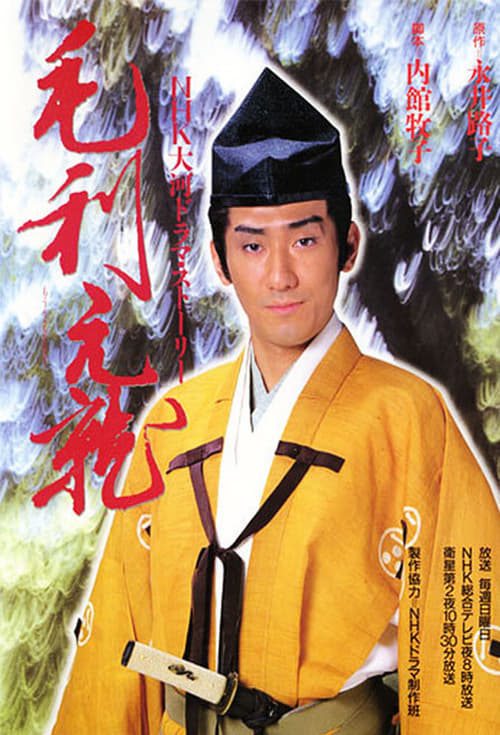
The 36th NHK Taiga Drama is Mori Motonari. This series chronicles the life of Mori Motonari, a warlord of the early 1500s who stood at the vanguard of the Warring States era. All Japanese school textbooks contain the Mitsuya no kyokun, Mori's famous lesson to his three sons that teaches that while one arrow is easily broken, three arrows together cannot be broken. In 1997, 500 years after his birth, NHK dramatizes Motonari's rise from a chief of the region of Aki (now Hiroshima) to a daimyo who rules over ten provinces of the Chugoku region. Motonari was 64 years old and already the patriarch of a powerful dynasty about the time Oda Nobunaga and Takeda Shingen appeared on the scene. And even after his death, the Mori family figured prominently in Japanese history. His grandson Terumoto became a loyal Toyotomi vassal. Defeated at the Battle of Sekigahara, Ieyasu confiscated most of his lands, leaving him only with Suwo and Nagato, later known as Choshu. But 260 years later, the Mori got their ultimate revenge, leading the imperial forces against the Tokugawa in the Meiji Restoration.

An unconscious young man is found inside the closet of a missing billionaire. Amnesiac, he is given the name Yukio and kept close to Naomi—the woman who was supposed to disappear alongside the billionaire, Shibata—in case he ever recovers his memories of the night he was rescued and the whereabouts of Shibata and his fortune.

No plot available for this tvshow.
No plot available for this tvshow.

SMAP×SMAP was an ongoing weekly Japanese variety show on Kansai TV and Fuji TV starring the members of SMAP. The show began on April 15, 1996 and it aired from 22:00 to 22:54 every Monday. The show's usual ratings were higher than 20%, which is considered high since most variety shows range from 10-20%. Each episode begins a variety of skits, comedic performances, and/or games. These are followed by Bistro SMAP, in which the SMAP members compete against each other to impress celebrity judges with their gourmet cooking. Last is a musical performance by SMAP which may include celebrity guests, as well.
SMAP×SMAP was an ongoing weekly Japanese variety show on Kansai TV and Fuji TV starring the members of SMAP. The show began on April 15, 1996 and it aired from 22:00 to 22:54 every Monday. The show's usual ratings were higher than 20%, which is considered high since most variety shows range from 10-20%. Each episode begins a variety of skits, comedic performances, and/or games. These are followed by Bistro SMAP, in which the SMAP members compete against each other to impress celebrity judges with their gourmet cooking. Last is a musical performance by SMAP which may include celebrity guests, as well.
Subscribe for exclusive insights on movies, TV shows, and games! Get top picks, fascinating facts, in-depth analysis, and more delivered straight to your inbox.