
Drama
Comedy
Action & Adventure
Animation
Documentary
Family
Kids
Mystery
News
Reality
Sci-Fi & Fantasy
Soap
Talk
War & Politics
Western
Found 40 movies, 19 TV shows, and 0 people
Can't find what you're looking for?
The definitive story of the Civil Rights era from the point of view of the ordinary men and women whose extraordinary actions launched a movement that changed the fabric of American life, and embodied a struggle whose reverberation continue to be felt today.
This new installment of the landmark 1987 documentary series Eyes on the Prize illuminates the bold stories of people and communities who continue to work for equity and racial justice in the years since the birth of the American Civil Rights movement.

An immersive 360-degree narrative telling the epic story of the Vietnam War as it has never before been told on film. Featuring testimony from nearly 80 witnesses, including many Americans who fought in the war and others who opposed it, as well as Vietnamese combatants and civilians from both the winning and losing sides.

Through the eyes of various Irish Republican Army (IRA) members, explore the extremes some people will go to in the name of their beliefs, the way a deeply divided society can suddenly tip over into armed conflict, the long shadow of radical violence for both victims and perpetrators, and the emotional and psychological costs of a code of silence.
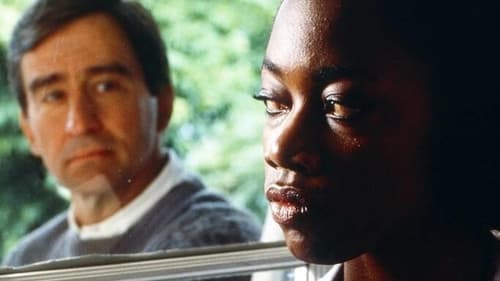
I'll Fly Away is an American drama television series set during the late 1950s and early 1960s, in an unspecified Southern U.S. state. It aired on NBC from 1991 to 1993 and starred Regina Taylor as Lilly Harper, a black housekeeper for the family of district attorney Forrest Bedford, whose name is an ironic reference to Nathan Bedford Forrest, the founder of the Ku Klux Klan. As the show progressed, Lilly became increasingly involved in the Civil Rights Movement, with events eventually drawing in Forrest as well. I'll Fly Away won two 1992 Emmy Awards, and 23 nominations in total. It won three Humanitas Prizes, two Golden Globe Awards, two NAACP Image Awards for Outstanding Drama Series, and a Peabody Award. However, the series was never a ratings blockbuster, and it was canceled by NBC in 1993, despite widespread protests by critics and viewer organizations. After the program's cancellation, a two-hour movie, I'll Fly Away: Then and Now, was produced, in order to resolve dangling storylines from Season 2, and provide the series with a true finale. The movie aired on October 11, 1993 on PBS. Its major storyline closely paralleled the true story of the 1955 murder of Emmett Till in Money, Mississippi. Thereafter, PBS began airing repeats of the original episodes, ceasing after one complete showing of the entire series.
The personal and political struggles, setbacks and triumphs of a diverse family of LGBT men and women who helped pioneer one of the last legs of the U.S. Civil Rights movement from its turbulent infancy in the 20th century to the once unfathomable successes of today. The period piece tells the history of the gay rights movement, starting with the Stonewall Riots in 1969.

A story of love, friendship, survival and triumph spanning five decades from the Texas Revolution through the Civil War, Reconstruction and beyond.

The story of Iowa's legendary Blazing Saddle and the community that built it.
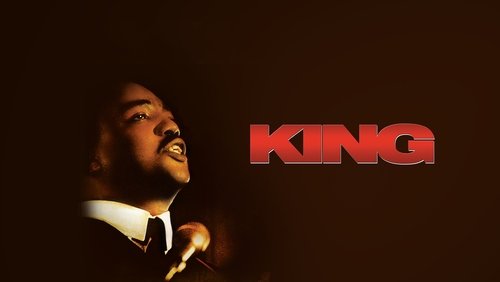
The story of Dr. Martin Luther King Jr., stretching from his days as a Southern Baptist minister in the South of the 1950s until his assassination in Memphis in 1968.

An inside look at the changing role of athletes in our fraught cultural and political environment, through the lens of the NBA.
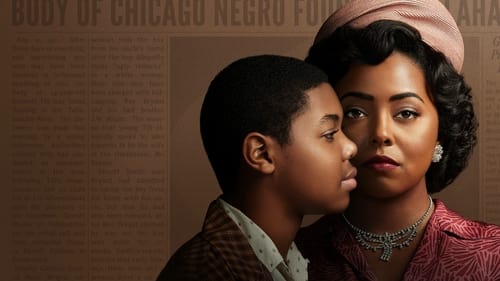
A limited series focusing on Mamie Till Mobley, who devoted her life to seeking justice for her son Emmett Till following his brutal murder in the Jim Crow South.
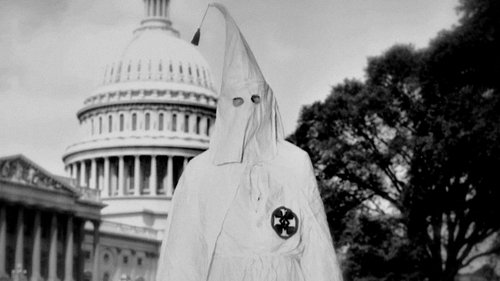
Since its birth in 1865, in the wake of the American Civil War, the history of the Ku Klux Klan has been inseparable from that of the United States. The debates over slavery, the populism in the roaring twenties, the struggle for civil rights in the sixties, the rise of the far-right in the early 21st century; the Klan seems to have always embodied the dark side of the nation, with its gray areas and blind spots.
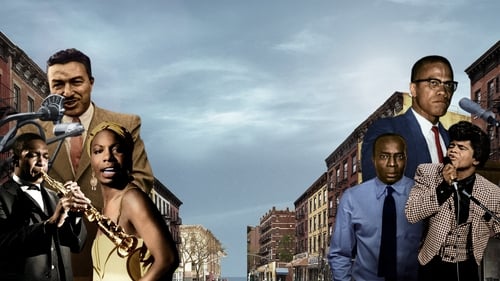
Inspired by the music and subjects featured in the series “Godfather of Harlem,” this documentary series brings alive the dramatic true story of Harlem and its music during the 1960s, and connects that history to our present moment.
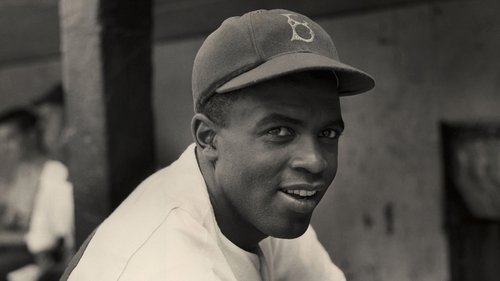
Jack Roosevelt Robinson rose from humble origins to cross baseball’s color line and become one of the most beloved men in America. A fierce integrationist, Robinson used his immense fame to speak out against the discrimination he saw on and off the field, angering fans, the press, and even teammates who had once celebrated him for “turning the other cheek.” After baseball, he was a widely-read newspaper columnist, divisive political activist and tireless advocate for civil rights, who later struggled to remain relevant as diabetes crippled his body and a new generation of leaders set a more militant course for the civil rights movement.

Showcasing the heroic deeds in and from every aspect of government and society, in a common quest to make the world a better place, free of corruption, discrimination and civil rights violations from around the globe!
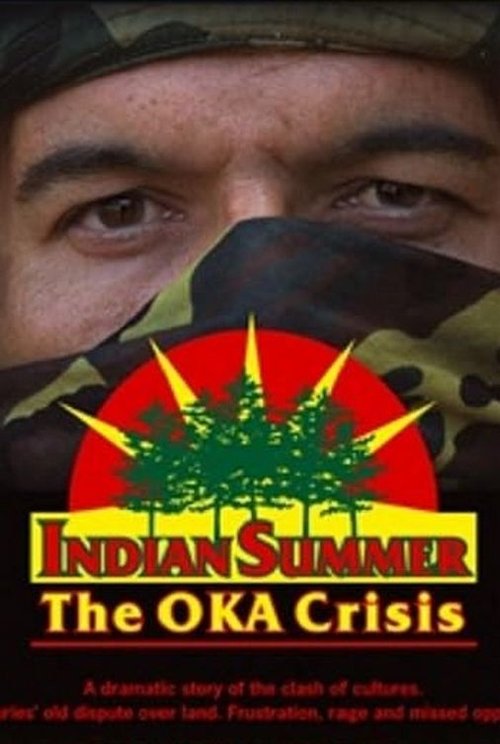
Fictionalized portrayal of the conflict and standoff in Kanehsatake during the summer of 1990. This major conflict between a Mohawk community and municipal, Quebec and Canadian governments was over the expansion of a golf course into an aboriginal cemetery. Based on the book by John Ciaccia (Quebec Liberal cabinet minister and negotiator) : The Oka Crisis, A Mirror of the Soul
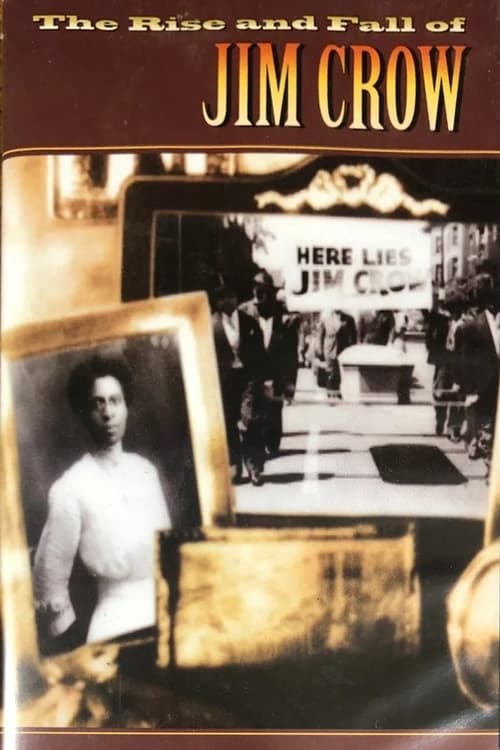
A landmark four-part series exploring segregation from the end of the civil war to the dawn of the modern civil rights movement. Lynchings and beatings by night. Demeaning treatment by day. And a life of crushing subordination for Southern blacks that was maintained by white supremacist laws and customs known as "Jim Crow." It was a brutal and oppressive era in American history, but during this time, large numbers of African Americans and a corps of influential black leaders bravely fought against the status quo, amazingly acquiring for African Americans the opportunities of education, business, land ownership, and a true spirit of community.
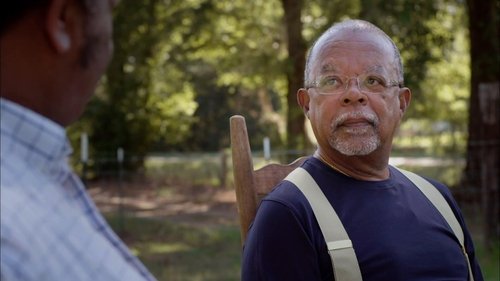
A look at the last five decades of African American history since the major civil rights victories through the eyes of Henry Louis Gates, Jr., exploring the tremendous gains and persistent challenges of these years.

Murder in Mississippi is a 1990 television movie which dramatized the last weeks of civil rights activists Michael "Mickey" Schwerner, Andrew Goodman and James Chaney, and the events leading up to their disappearance and subsequent murder in the summer of 1964. It starred Tom Hulce as Schwerner, Jennifer Grey as his wife Rita, Blair Underwood as Chaney, and Josh Charles as Goodman. Hulce received a nomination for Best Actor in a TV Miniseries at the 1990 Golden Globes. As a historical docudrama, Murder in Mississippi precedes the storylines of both 1975's Attack on Terror: The FBI vs. the Ku Klux Klan and 1988's Mississippi Burning. 'Murder in Mississippi is the title of a Norman Rockwell 1964 painting, depicting the same events. The painting is also known as: "Southern Justice."