
Drama
Comedy
Action & Adventure
Animation
Documentary
Family
Kids
Mystery
News
Reality
Sci-Fi & Fantasy
Soap
Talk
War & Politics
Western
Found 38 movies, 22 TV shows, and 0 people
Can't find what you're looking for?
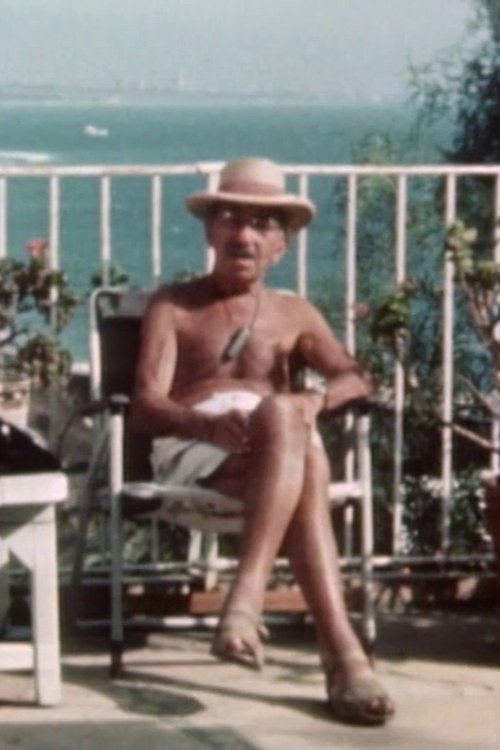
Based on extensive interviews, shot on 16mm in a series of static long takes, Filmemigration aus Nazideutschland, is one of the most fascinating examples of "Film history on film" ever produced. Straschek devoted years to researching the topic and accumulating both film and non-film materials. Apart from some radio features and articles, however, this 290-minute TV programme remains the only published trace of Straschek's lifelong work on the emigration of film personnel. He had intended to publish a three-volume book, encompassing all available data about 3,000 emigrants originating from the centre and peripheries of film production, but the book never materialised.
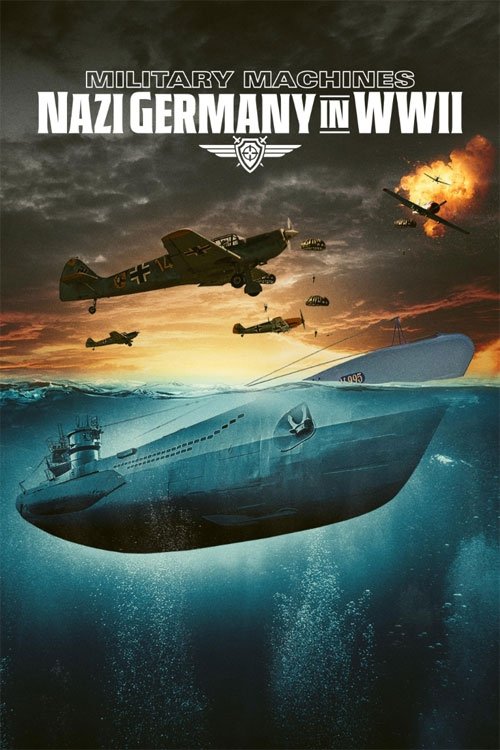
This is the story of the creation of the Nazi War Machine, tracing their origins from street thugs battling in the German streets after The Great War. We show the growth of the Panzer Corps, the mighty Luftwaffe and the feared SS. This is the most comprehensive look at the military force that took Europe by a storm of blood and steel.
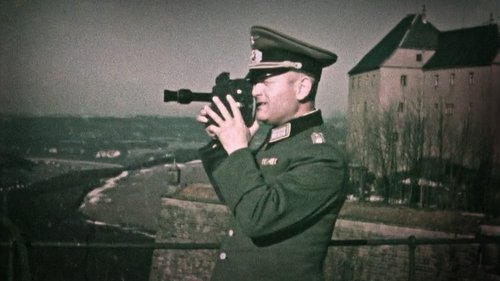
A candid look at what life was really like for those living in, and under Hitler's Swastika - at home - and abroad, a record not only of what they saw, but of what they knew.
This biopic profiles history's most spectacular madman, tracing his journey from humble roots to complete mastery of Germany.
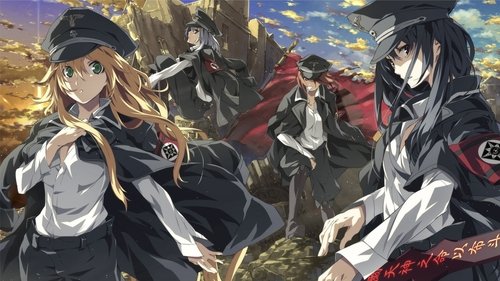
On May 1, 1945 in Berlin, as the Red Army raises the Soviet flag over the Reichskanzlei, a group of Nazi officers conduct a ritual. For them, the slaughter in the city is nothing but the perfect ritual sacrifice in order to bring back the Order of the 13 Lances, a group of supermen whose coming would bring the world's destruction. Years later, no one knows if this group of officers succeeded, or whether they lived or died. Few know of their existence, and even those who knew began to pass away as the decades passed. Now in December in the present day in Suwahara City, Ren Fujii spends his days at the hospital. Every night he sees the same dream: A guillotine. Murderers who hunt people, and the black clothed knights who pursue the murderers. He is desperate to return to his normal, everyday life, but even now he hears his friend Shirō's words: "Everyone who remains in this city eventually loses their minds."

A series that discusses secrets and mysteries during wars in the 20th century.
Hybrid docuseries offering an expansive exploration of the exploitative and genocidal aspects of European colonialism, from America to Africa, and its impact on society today.
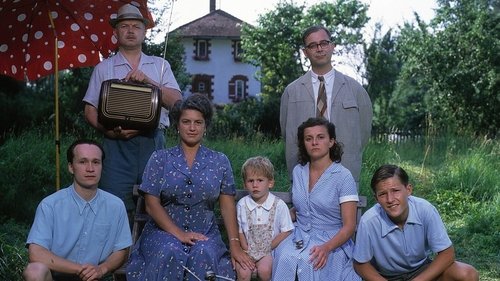
"Löwengrube – Die Grandauers und ihre Zeit" is a German television series first aired between 1989 and 1992, created by Willy Purucker and directed by Rainer Wolffhardt. It is set in Munich and follows the lives of Ludwig Grandauer and his son Karl, both policemen, covering the years from 1897 to 1954. The TV show is based on Purucker's radio play series Die Grandauers und ihre Zeit (‘The Grandauers and their time’). The series’ main title "Löwengrube", meaning ‘Lions’ Den’, refers to the address of the Munich Police Headquarters inaugurated in 1913.
The decline of Hitler’s empire from the inside out by exploring the decline of the Nazis through the perspective of Hitler's bumbling generals and a paranoid Fuhrer.
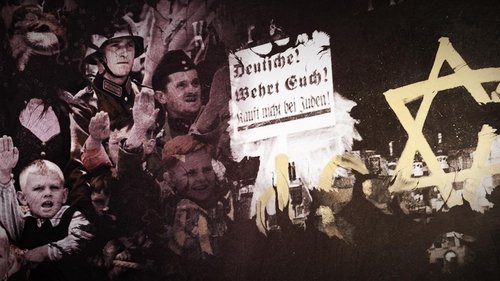
Explores the Third Reich from a contemporary perspective to investigate how the Nazis managed to conquer Germany and then half of Europe in the wake of World War I.
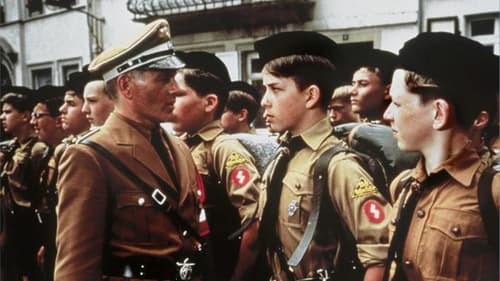
Blood and Honor: Youth Under Hitler, 1982 is a German/American made for TV mini-series which was a co-production between Daniel Wilson Productions and S.W.F and Taurus Films. The original screenplay was by Helmut Kissel and was partly based on his own experience as a member of the Hitler Youth. The scripts that were eventually shot, however, were written by Robert Muller. Helmut Kissel led as the director of the project but was replaced by Bernd Fischerauer within the first couple of weeks when shooting started. The shooting was on location in Baden-Baden, West Germany with the first 4 weeks in August 1980 and the rest of the production was completed between January through March in 1981. Each scene was shot both in English and in German and resulted in two versions of the film. The post production of the German version was completed in spring of 1982. It premiered on West German TV in July 1982 and the American version premiered in November 1982.
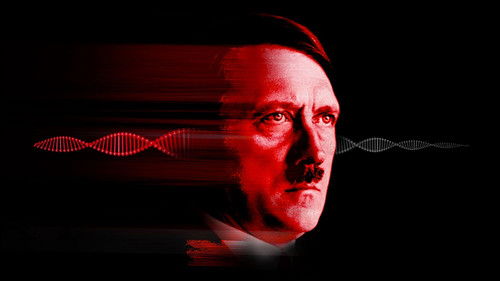
For the first time ever, experts identify Hitler’s DNA. What do his genes reveal about Hitler's heritage and origins, his neurology and drives?
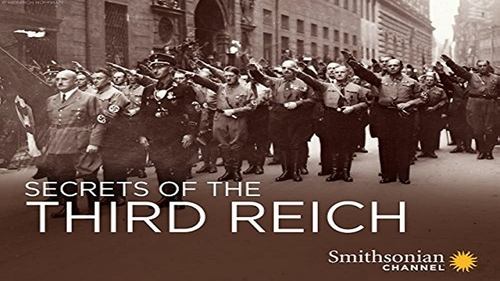
Little-known events that played a large role in determining the outcome of World War II are revealed in this documentary series.
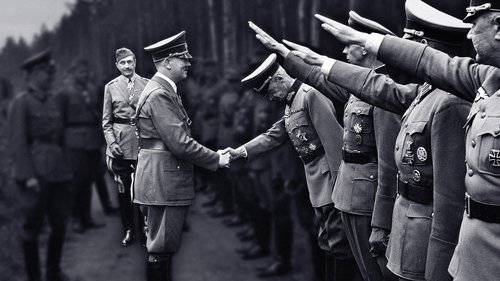
A four-part history series examines relations between Nazi Germany and Finland in the 1930s and 1940s. The series explores how the close relationship between Finland and Germany was born and developed, and what was known in Finland about the Holocaust, the mass extermination of the Jews at a time when the countries were at war together. Through archives and expert interviews, it explores how close Finns were to the Nazi German leadership.

The story takes place during World War II. Vitay Georgina is enrolled by her father, General Vitay, in the completely closed, residential Calvinist Matula Girls' Institute in the town of Árkod, on the outskirts of the country. He does not tell Gina why, as her new classmates would accept her, but after she fights with them over a silly game and betrays them, she is ostracised.
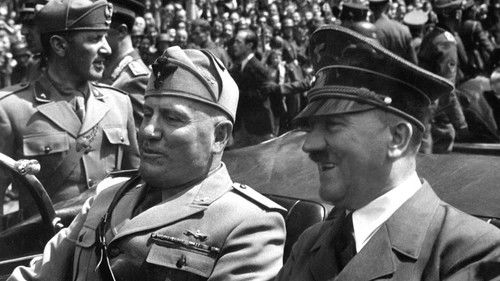
The War of the Century: When Hitler Fought Stalin, is a BBC documentary film series that examines Adolf Hitler's invasion of the Soviet Union in 1941 and the no-holds-barred war on both sides. It not only examines the war but also the terror inside the Soviet Union at the time due to the paranoia of Joseph Stalin - the revenge atrocities, the Great Purge of army officers, the near-lunacy orders, and the paranoia of being upstaged by others, especially Marshal Zhukov. The historical adviser is Ian Kershaw.
No description available for this show.
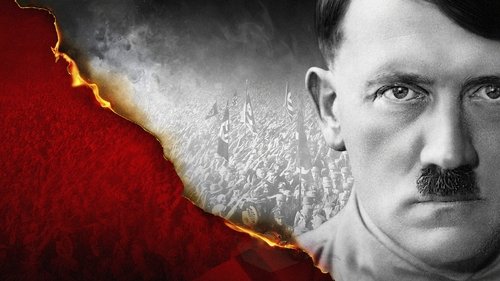
It is customary to give every new government 100 days to draw an initial summary of its work, its successes, its failures, its prospects. A “grace period” that also applied to Chancellor Adolf Hitler. However, he uses them more radically for his goals than anyone before him. This is what this series tells about – as a canon of contemporary voices. Diary entries from all over Germany document different perspectives, perceptions and very private things. How can a civilized country, a democratic state, turn into a brutal dictatorship in just a few weeks?

Designed in partnership with HISTORY and using a distinctly European perspective, this series offers a fresh lens through which to study the European Theater’s major battles, larger-than-life personalities, twists of fate, and tales of intrigue. You’ll uncover the strategic decisions behind Operation Barbarossa, D-Day, the Battle of the Bulge, the invasion of Italy, the fall of Berlin, and more.
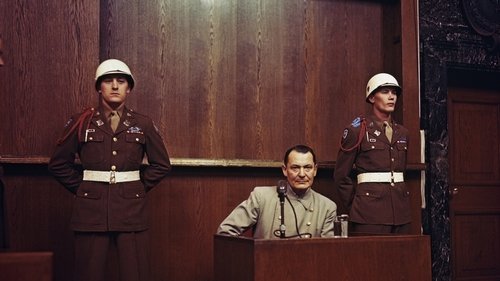
This is the story of an incredible rise to power, the most comprehensive documentary on Hermann Goering ever made. He was a man of many faces: vain, ambitious, more brutal than any other of Hitler's minions, yet the most popular Nazi official of all, at times even more popular than Hitler himself. He embodied the jovial side of the Third Reich. Yet the same man who organised dissolute bacchanals also founded the Gestapo, set up the first concentration camps, and had his own comrades murdered in the purge of 1934. These unique personal records form the largest and most important single film find from the Nazi era in past years.

No description available for this show.
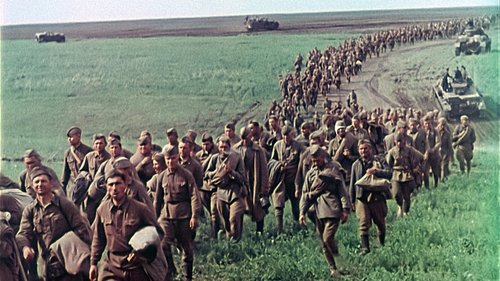
In June 1941, Hitler decides to break the German-Soviet pact and set the German army in motion toward Moscow. From summer to winter, and from Kiev to Leningrad, previously unseen archival footage, some recolored, retraces the bloodiest military operation of World War II. Testimonies from soldiers and civilians recount these endless months of battles and sieges.